

Author: arte

ABRAHAM CRUZVILLEGAS

DEC.05.2025

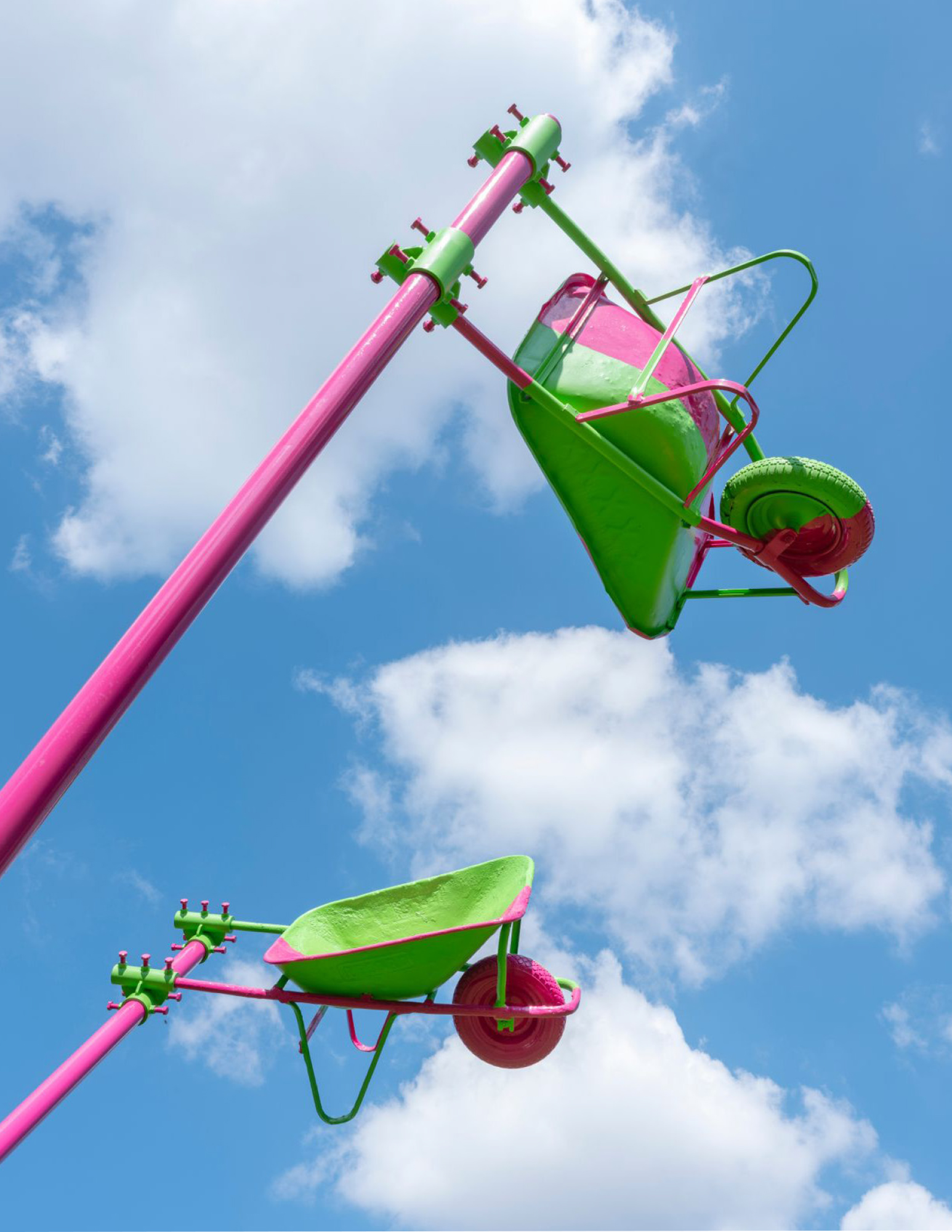
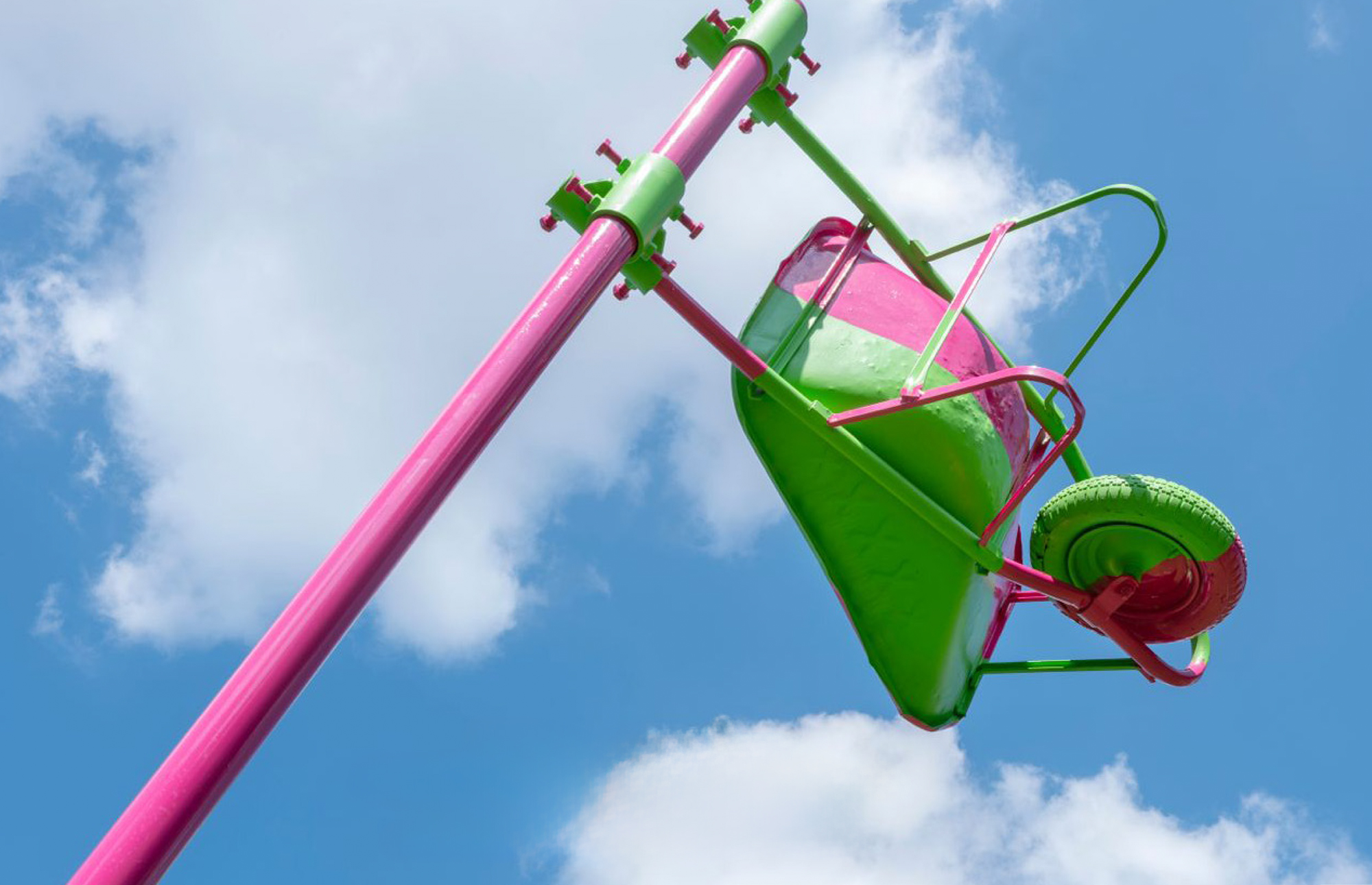
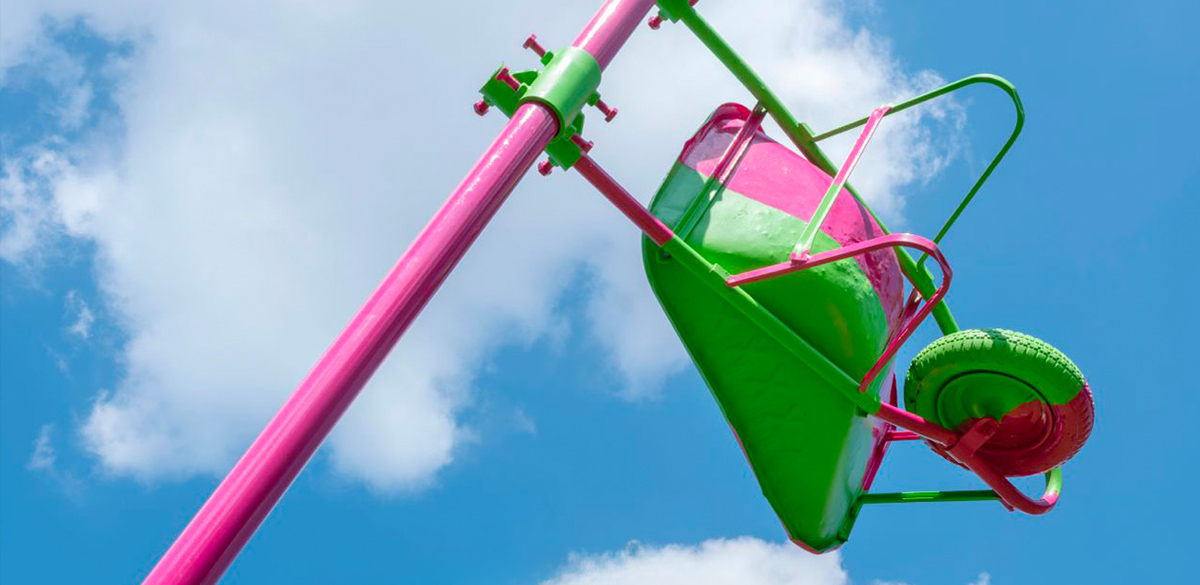
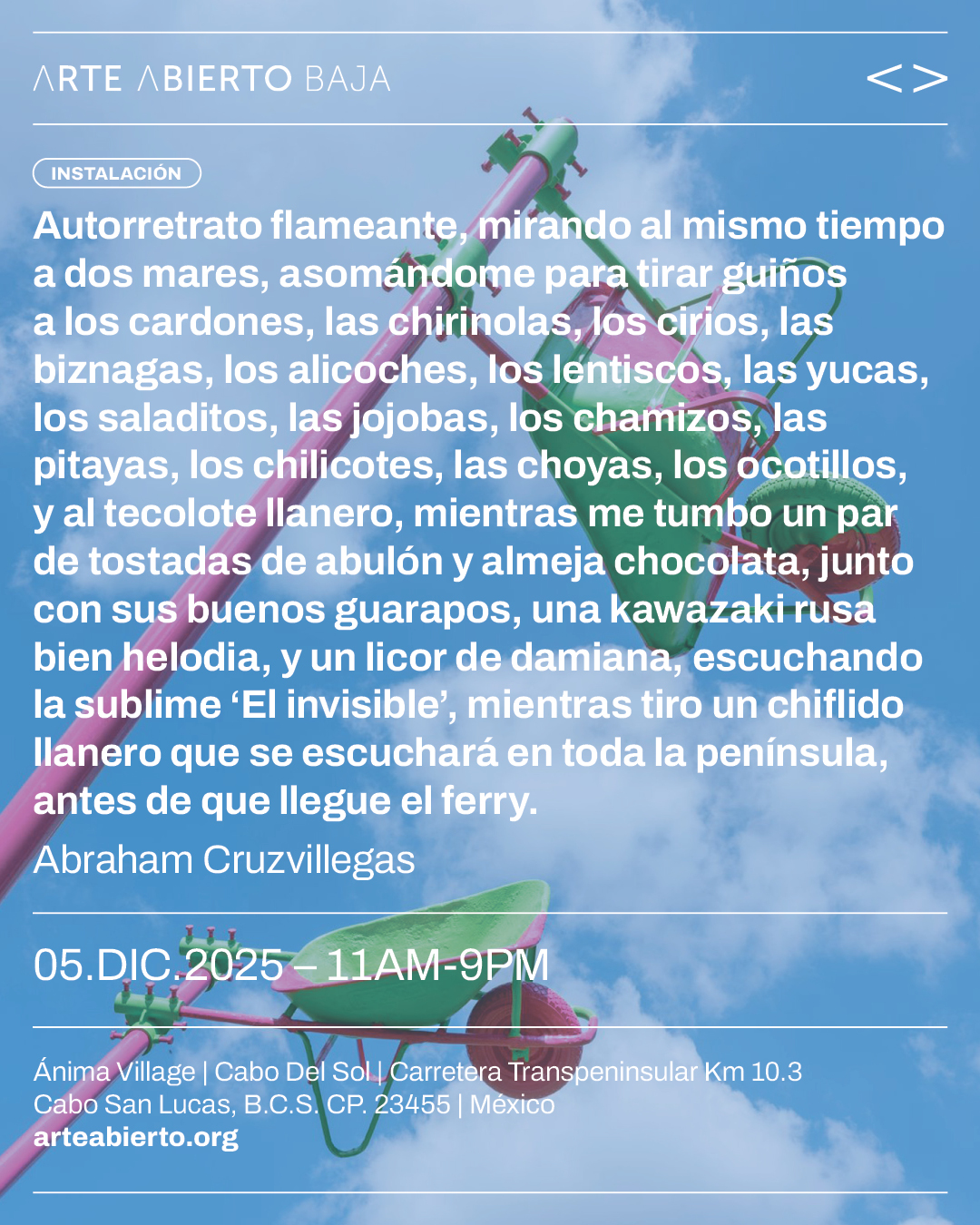
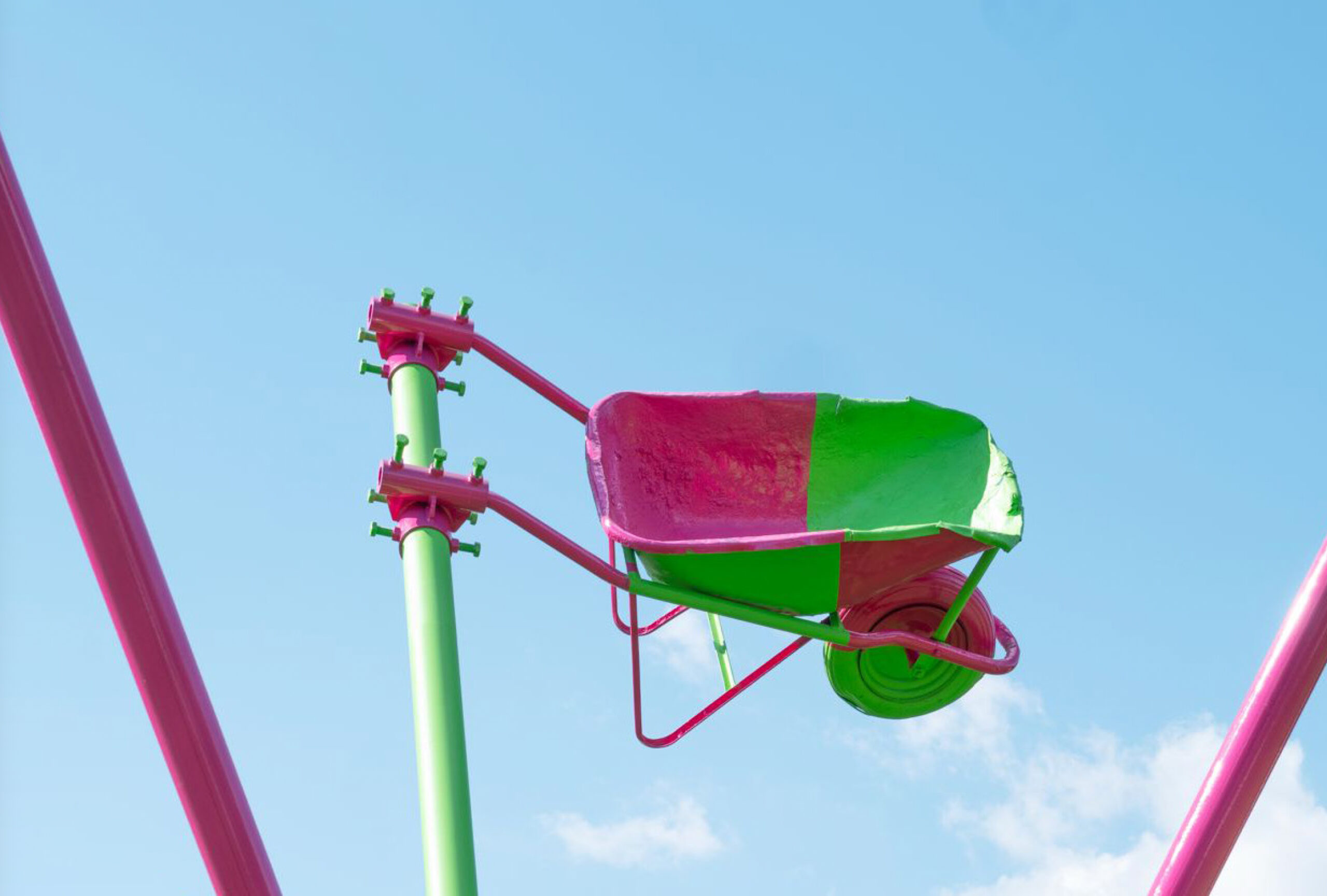
Autorretrato flameante, mirando al mismo tiempo a dos mares, asomándome para tirar guiños a los cardones, las chirinolas, los cirios, las biznagas, los alicoches, los lentiscos, las yucas, los saladitos, las jojobas, los chamizos, las pitayas, los chilicotes, las choyas, los ocotillos, y al tecolote llanero, mientras me tumbo un par de tostadas de abulón y almeja chocolata, junto con sus buenos guarapos, una kawazaki rusa bien helodia, y un licor de damiana, escuchando la sublime ‘El invisible’, mientras tiro un chiflido llanero que se escuchará en toda la península, antes de que llegue el ferry, 2025

Paint, steel
Variable dimensions

Using everyday objects and discarded materials gathered across the terrain of Los Cabos, this work by Abraham Cruzvillegas gravitates—both conceptually and physically—around notions of labor, landscape, and what the artist calls its mineral soul or ánima. Designed specifically for Arte Abierto’s opening at Ánima Village architectural complex, the piece will be assembled on-site using materials drawn from the immediate environment.

Its colors, materials, and very mode of construction emerge as much from cultural and social references as from the artist’s own personal history. The pink and green palette recalls the flag of the Mangueira favela and samba school in Rio de Janeiro, which Cruzvillegas visited in 2003 during a pilgrimage to the place where Brazilian artist Hélio Oiticica used to go dancing samba. This encounter became a turning point in Cruzvillegas’s practice: Mangueira reminded him of the neighborhood where he grew up—Colonia Ajusco, built on the lava fields of Coyoacán in southern Mexico City. It awakened subjective memories of how, in the face of unequal wealth distribution, people find ways to adapt, building their own homes collaboratively with whatever materials they can gather—conditions shared by favelas, bidonvilles, shantytowns, callampas, tomas, slums, villas miseria, chabolas, informal settlements, baraccopoli, and other forms of autoconstrucción.

Cruzvillegas’s piece embodies the spirit of Arte Abierto, the region’s first public art gallery at the heart of Cabo del Sol. The work opens a dialogue about the place of art within its social and geographical context, shaped and frame d by the surrounding natural environment.


>>

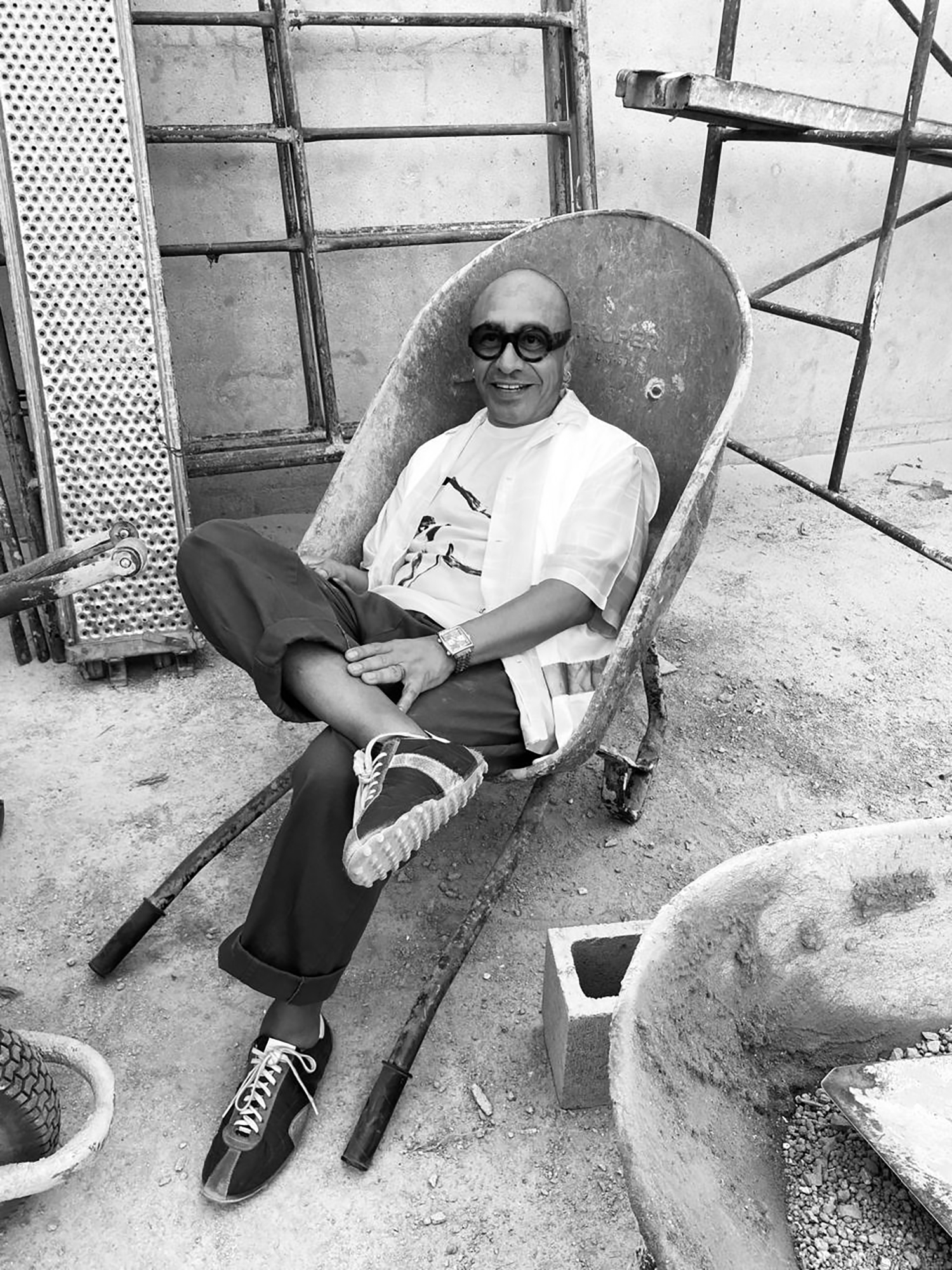
Abraham Cruzvillegas (Mexico City, 1968) artistic process is deeply influenced by his surroundings. Instead of being defined by a particular medium, many of his projects connect through the idea of autoconstrucción: a concept that draws from the ingenious, precarious, and collaborative building tactics implemented by the people living in Colonia Ajusco, his childhood neighborhood in Mexico City. Cruzvillegas adopts an approach based on inventive improvisation and instability, presenting change as a permanent state, emerging from the chaotic and fragmentary nature of life. The evolving notion of autoconstrucción has, in turn, generated explorations into similar concepts, such as autodestrucción and autoconfusión. These inquiries have led the artist not only to explore his own origins, but to collaborate with family and friends in a very personal form of research, resulting in a constant process of learning: about materials, landscape, people, and himself.

Through various media, including sculpture, painting, drawing, installation, and video, Cruzvillegas reveals a close and constant engagement with the material world—immersing himself in the ongoing construction and transformation of personal and collective identities. His sculptures challenge prevailing conceptions of art making by using a wide range of collected objects, while his paintings and drawings depict subjects with a strong sense of humor, instilled by his early training as a political cartoonist. Parallel to his artistic production, Cruzvillegas has cultivated writing as an investigative tool of self-analysis that merges history, criticism, and fiction. His lyrics and texts about art, politics, and culture constitute a significant element of his practice.

Cruzvillegas studied Pedagogy from 1986 to 1990 at the Universidad Nacional Autónoma de México (UNAM) in Mexico City, while simultaneously attending Gabriel Orozco’s workshop, Taller de los viernes. In 2012, he was the 5th winner of the Yanghyun Prize and received the Prix Altadis d’arts plastiques in 2006.

Cruzvillegas lives and works in Mexico City.

IG @autoconstruido

>>

Abraham Cruzvillegas (Mexico City, 1968)

Autorretrato flameante, mirando al mismo tiempo a dos mares, asomándome para tirar guiños a los cardones, las chirinolas, los cirios, las biznagas, los alicoches, los lentiscos, las yucas, los saladitos, las jojobas, los chamizos, las pitayas, los chilicotes, las choyas, los ocotillos, y al tecolote llanero, mientras me tumbo un par de tostadas de abulón y almeja chocolata, junto con sus buenos guarapos, una kawazaki rusa bien helodia, y un licor de damiana, escuchando la sublime ‘El invisible’, mientras tiro un chiflido llanero que se escuchará en toda la península, antes de que llegue el ferry, 2025
Paint, steel
Variable dimensions

DEC.05.2025
M-S _ 11AM-9PM
Free admission
Arte Abierto Baja | Ánima Village, Cabo del Sol, Cabo San Lucas, B.C.S.
ARTE ABIERTO BAJA

NEW VENUE IN BAJA CALIFORNIA SUR

Arte Abierto Baja will operate through collaboration with local artists and cultural agents, learning from the environment and its people, fostering sensitive and spontaneous conversations, without the figure of the curator as mediator.
• Arte Abierto proposes a model where art is built from interaction, experience, and dialogue with the public.
• It opens the doors of its new venue with an installation by Mexican artist Abraham Cruzvillegas.

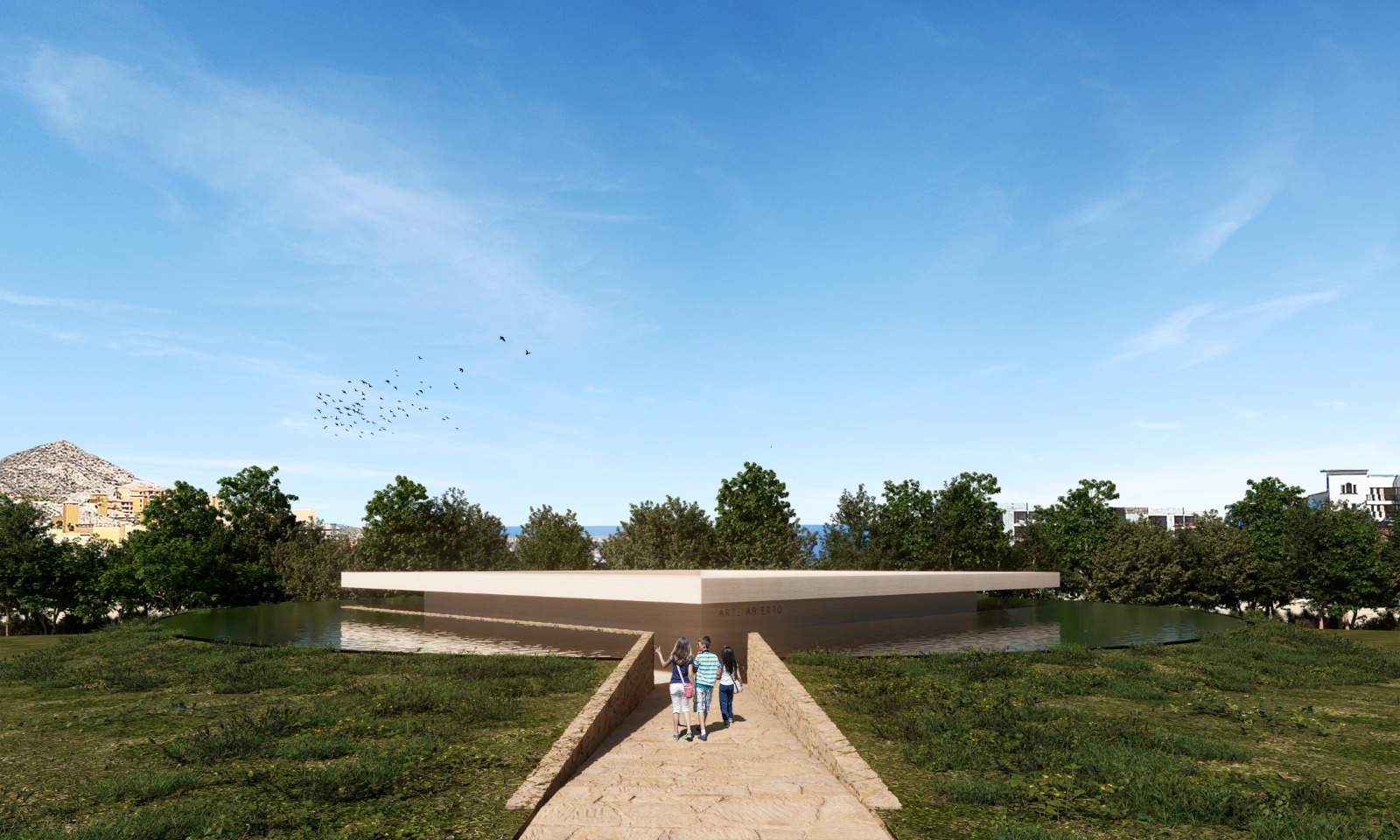
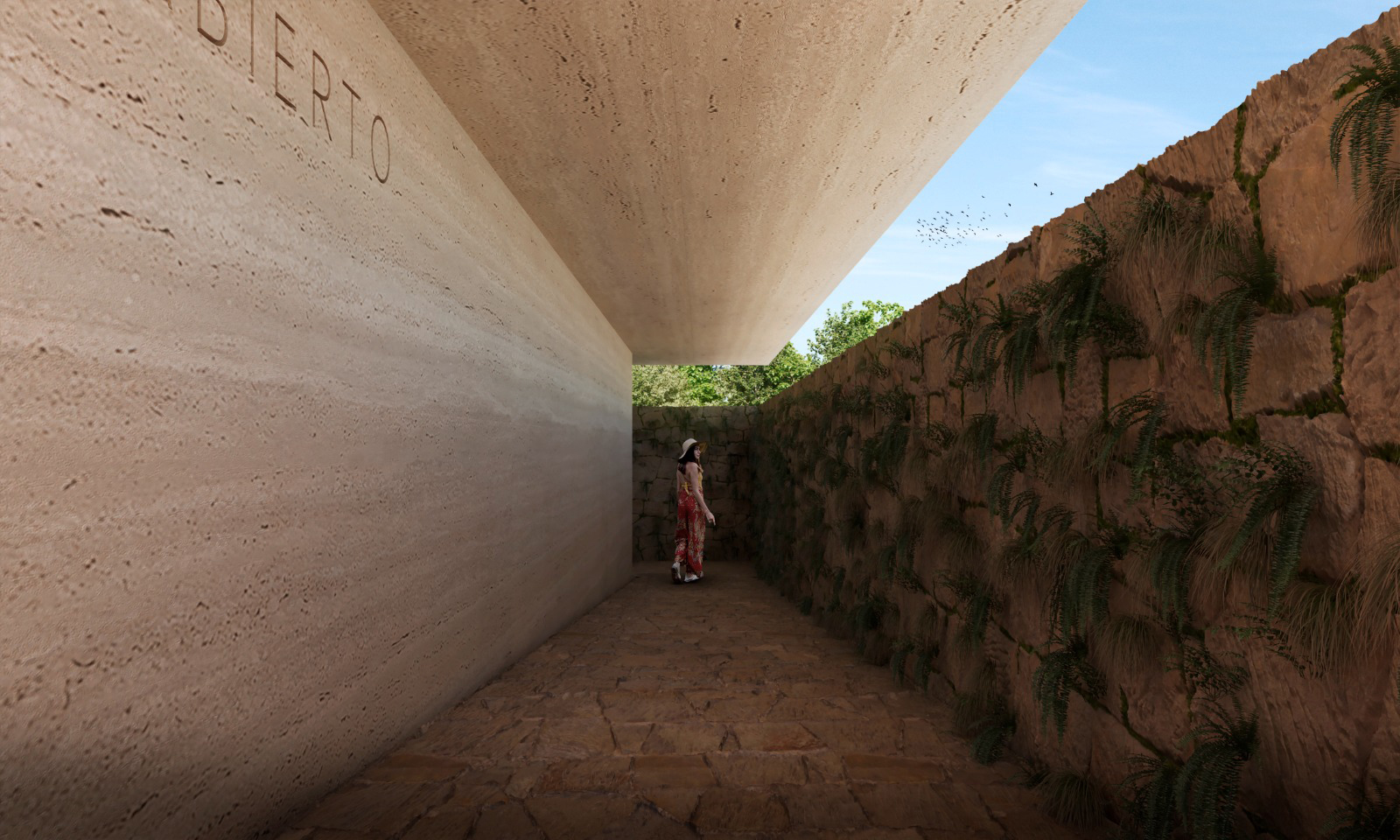
Arte Abierto is pleased to announce the opening of Arte Abierto Baja, its new venue in the heart of Cabo del Sol, located within the architectural complex of Ánima Village. The installation presented for the inauguration of our space is by Mexican artist Abraham Cruzvillegas.

With the opening of Arte Abierto Baja, the Foundation expands the vision it began in 2019 in Mexico City: a cultural affairs model that seeks to break down barriers between contemporary art and diverse audiences, prioritizing direct experience, interaction, and collective learning.

Arte Abierto Baja is a space that will function as an experimental laboratory for the creation and dissemination of artistic projects, inspired by the philosophy of Grupo SOMA’s architectural complexes.

What has set us apart from other cultural projects—and what we aim to preserve—is our cultural affairs model, which seeks to build a genuine connection with a broad range of audiences, encouraging learning and creative experiences beyond specialized or even museum environments.

>> The new venue is divided into two architectural spaces:

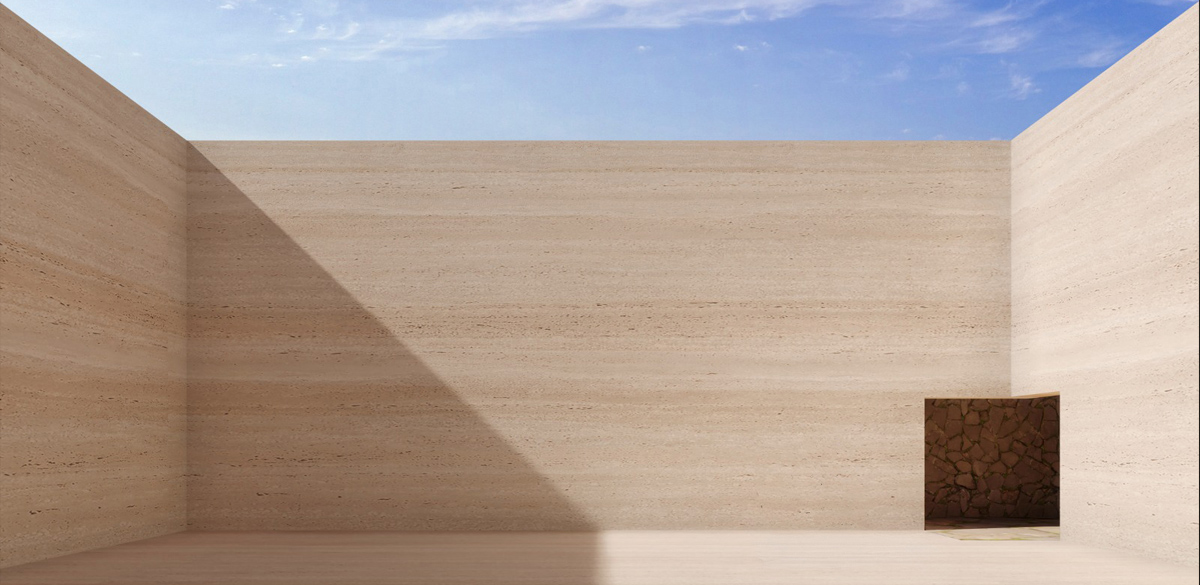
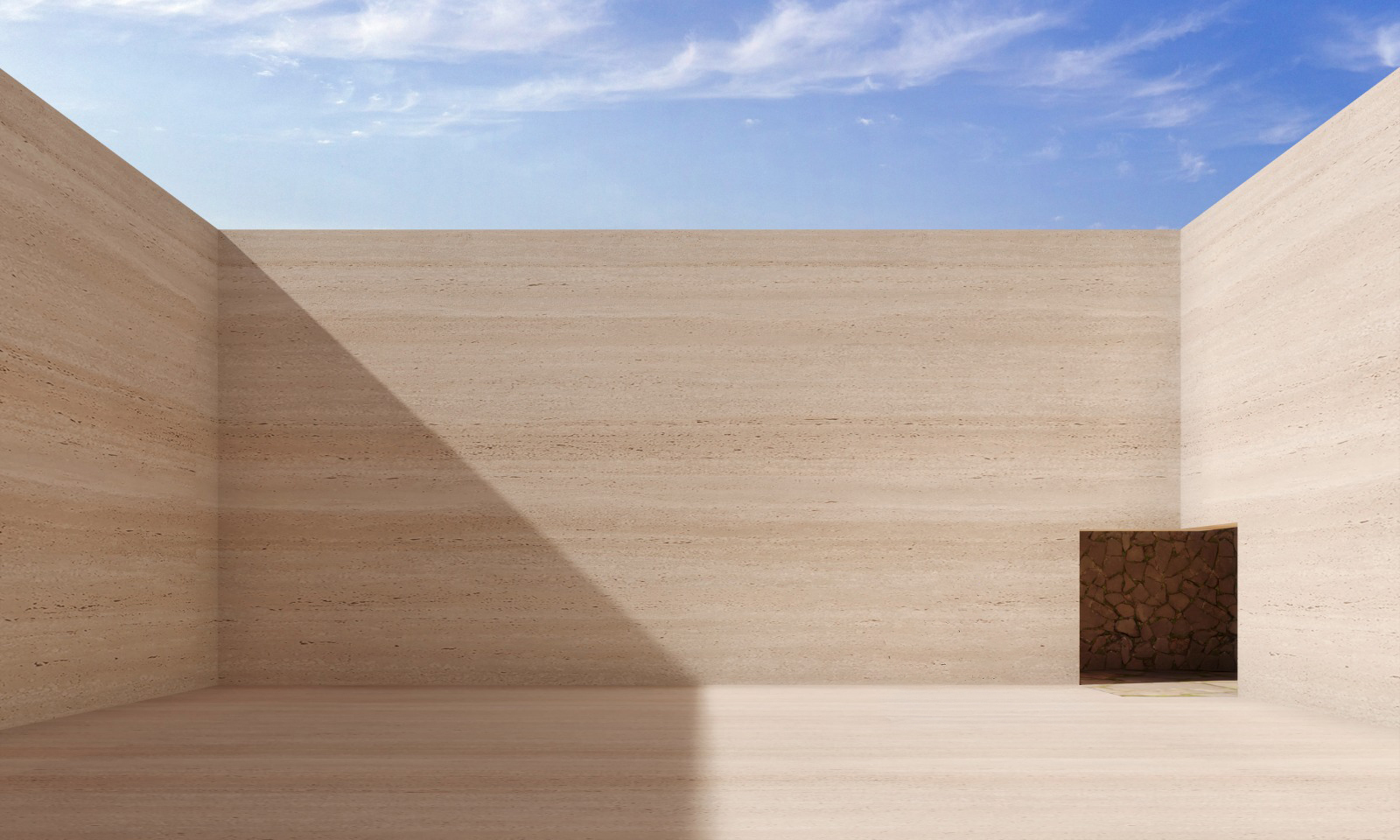
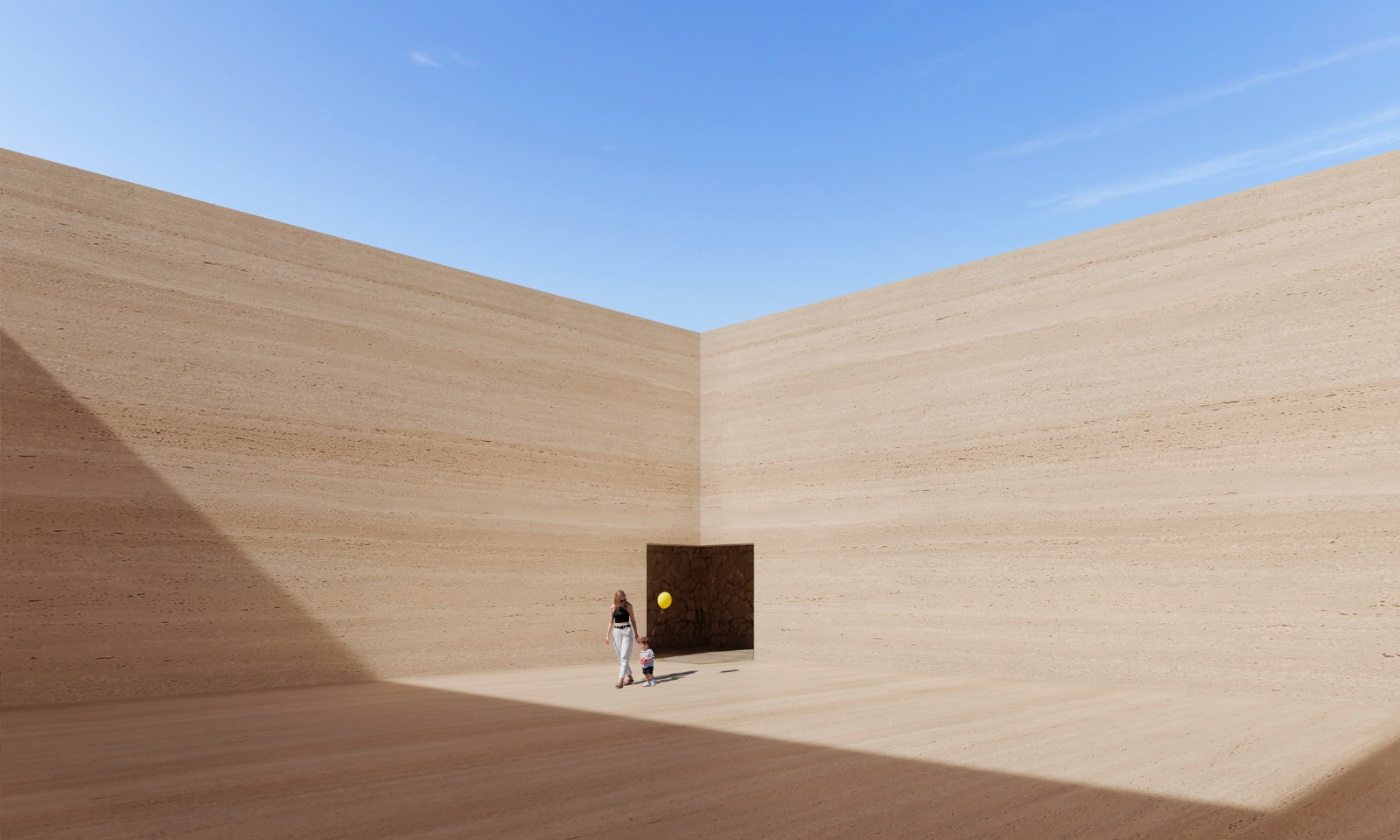
The first: a 179 m² concrete container with a height of 6 meters, without a roof, designed to host pieces created specifically for the context. Here, the Commissions and Exhibitions Program will host national and international artists who will develop site-specific works that dialogue with the territory and its communities.

The second: a space dedicated to bringing Arte Abierto’s Public Program to life, offering multiple activities designed to host workshops, open processes, meetings with young artists, and multidisciplinary activities. A fertile territory dedicated to learning, community engagement, and exposure to new creative experiences for the local community.

>> 

The installation that opens the space dedicated to the Commissions and Exhibitions Program: a work created from the territory by Abraham Cruzvillegas.

Autorretrato flameante, mirando al mismo tiempo a dos mares, asomándome para tirar guiños a los cardones, las chirinolas, los cirios, las biznagas, los alicoches, los lentiscos, las yucas, los saladitos, las jojobas, los chamizos, las pitayas, los chilicotes, las choyas, los ocotillos, y al tecolote llanero, mientras me tumbo un par de tostadas de abulón y almeja chocolata, junto con sus buenos guarapos, una kawazaki rusa bien helodia, y un licor de damiana, escuchando la sublime ‘El invisible’, mientras tiro un chiflido llanero que se escuchará en toda la península, antes de que llegue el ferry, 2025
Paint, steel
Variable dimensions

  • Opens DEC.05.2025
  • M-S _ 11AM-9PM
  • Free admission
  • Arte Abierto Baja | Ánima Village, Cabo del Sol, Cabo San Lucas, B.C.S.
>>

To download the press release click here

>> 

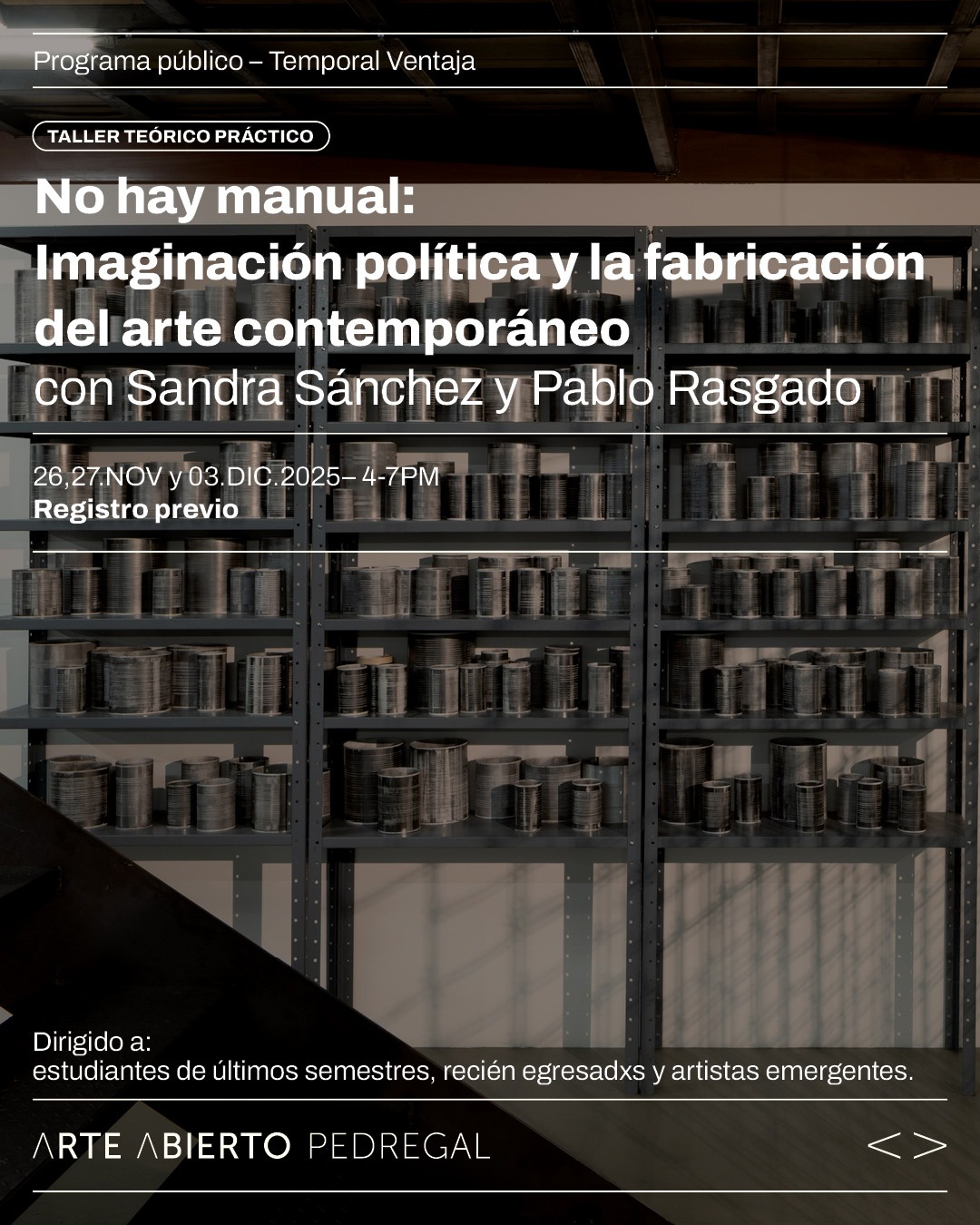
THERE IS NO MANUAL:

POLITICAL IMAGINATION AND THE MAKING OF CONTEMPORARY ART

Theoretical and practical workshop led by Sandra Sánchez and Pablo Rasgado

This three-day theoretical and practical workshop will explore the role of imagination as a political tool, specifically an artistic imagination that abandons isolation to engage with untamed knowledge, local practices, materials, and specific narratives. Examples will be provided, and exercises will be conducted to identify a problem or area of ​​reality that can be challenged through imaginative action. The aim is not to propose something new, but to fracture the existing order in order to re-enchant it and restore its meaning.
>> 

THERE IS NO MANUAL: POLITICAL IMAGINATION AND THE MAKING OF CONTEMPORARY ART
Theoretical and practical workshop led by Sandra Sánchez and Pablo Rasgado

  • WED.26 + THU.27.NOV.2025 + WED.03.DEC.2025
  • 4PM–7PM
  • Students in their final semesters, recent graduates, and emerging artists
  • Previous registration >here<
  • Free admission
  • Arte Abierto Pedregal | ARTZ + Obrera centrO

>>

PUBLIC PROGRAM

WED.26.NOV.2025
Led by >> Pablo Rasgado
Location >> Arte Abierto Pedregal

The first part will consist of a review of the participants’ work, followed by an exercise in “wild references”: an open exchange of images, texts, and case studies between instructors and participants to broaden the frameworks from which each artist is working. During the second part, and based on the references gathered, we will review key examples that have marked past decades to analyze how the art system is being reconfigured in the present, focusing on the question: what defines artistic practice today?

>> 

THU.27.NOV.2025
Led by >> Sandra Sánchez
Location >> Arte Abierto Pedregal

During the first part of the session, we will do body exercises to deconstruct the central gaze and open it to listening and the haptic. During the second part, we will explore how the artist’s body can open up a political space using examples from works by Ana Mendieta, Vito Acconci, Verónica Gerber, Regina José Galindo, and Tania Bruguera, as well as texts by Marlene Dumas and Brian Massumi.

>> 

WED.03.DIC.2025
Led by >> Sandra Sánchez y Pablo Rasgado
Location >> Obrera centrO

Reversing the teaching roles, in this session, workshop participants will bring an imaginative action exercise with their respective natural references to share with the group. We will use floating attention and free association as means of listening and collective feedback. We will discuss their strategies and create a collective manual to open a space based on imaginative actions.

>> 

>>

Sandra Sánchez is an artist, curator, writer, and editor. Her work is based on the practical possibilities of art, collaboration, and listening to critically disrupt the sensitive logics of neoliberalism. She is part of El Cuarto de los Ojos Sucios (a performance space dedicated to the mediation, exhibition, and reflection on contemporary painting), and research groups such as Máquina Simple and Ambient para Leer. She is the editor of the digital magazine Onda MX and a lecturer at Universidad del Claustro de Sor Juana.

IG @phiopsia

>> 

>>

Pablo Rasgado is an artist whose work explores the material and symbolic dimensions of the image through architectural fragments, public space, and preservation processes that reveal tensions between memory, history, and the present. His recent exhibitions include Timebased at MOLAA, Double Vision/Double Museum at MOCA Tucson, and the 11th Mercosul Biennial. He is currently a member of the National System of Art Creators.

IG @pablo.rasgado

pablorasgado.com

>> 

ART & ARCHITECTURE DERIVES

Designing the Modern Nation: Social Art and Architecture

Viridiana Zavala Rivera

>>
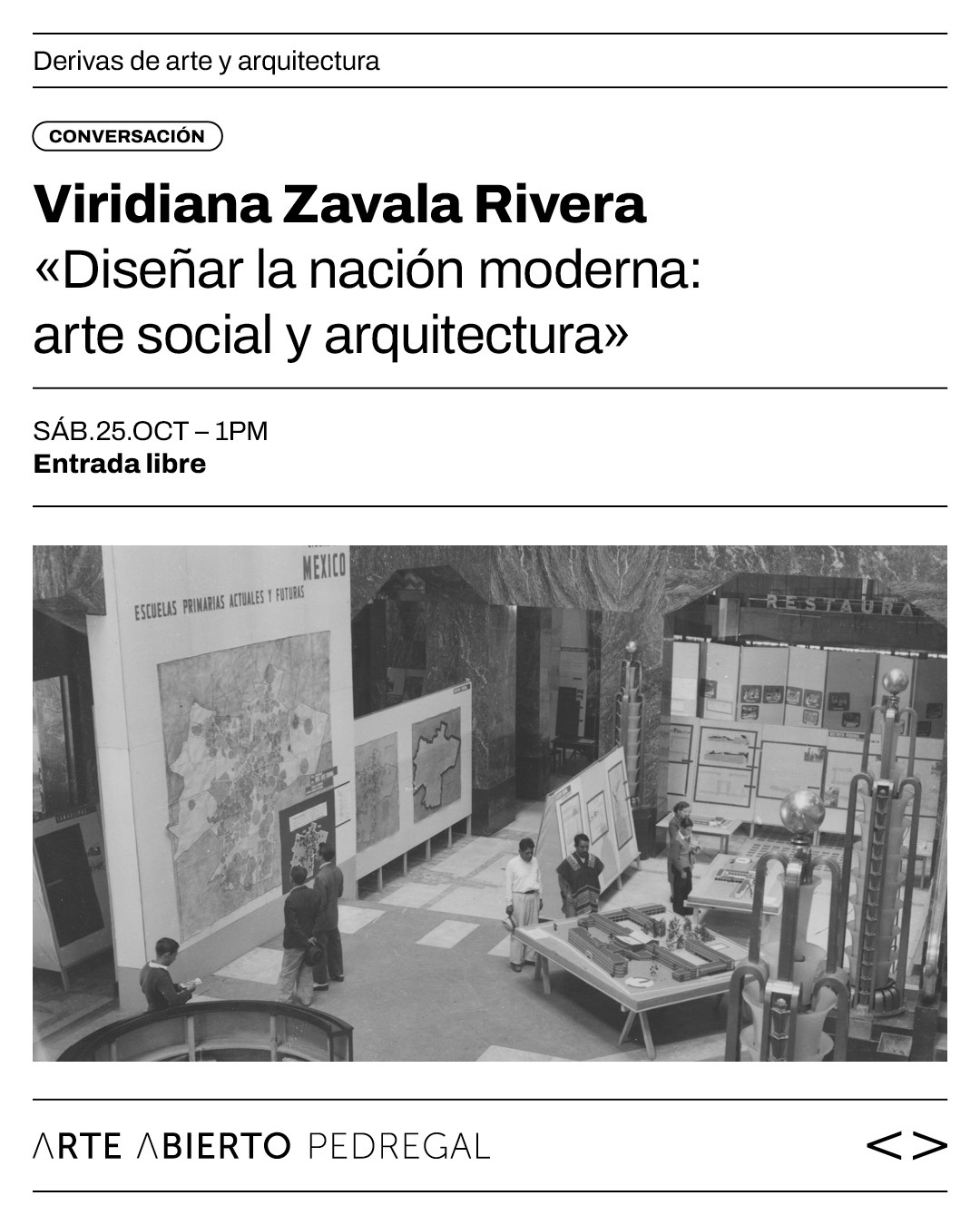
Designing the Modern Nation: Social Art and Architecture

Conversation with Viridiana Zavala Rivera

  • Saturday, October 25, 2025
  • 13:00h
  • At Arte Abierto | 2nd floor ARTZ
  • Free admission

>>
No registration required.

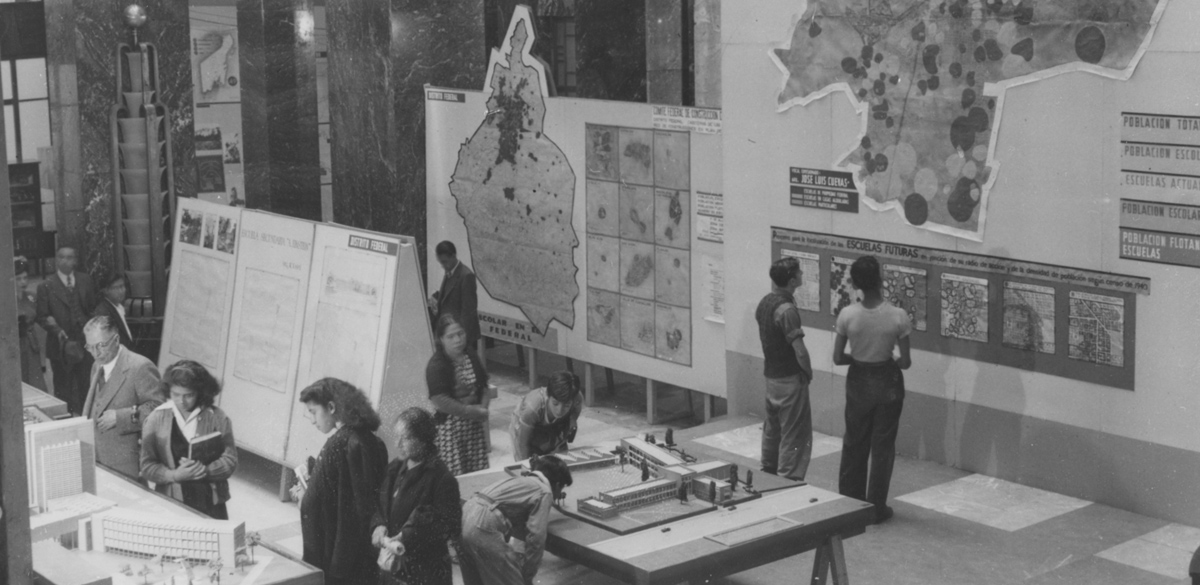
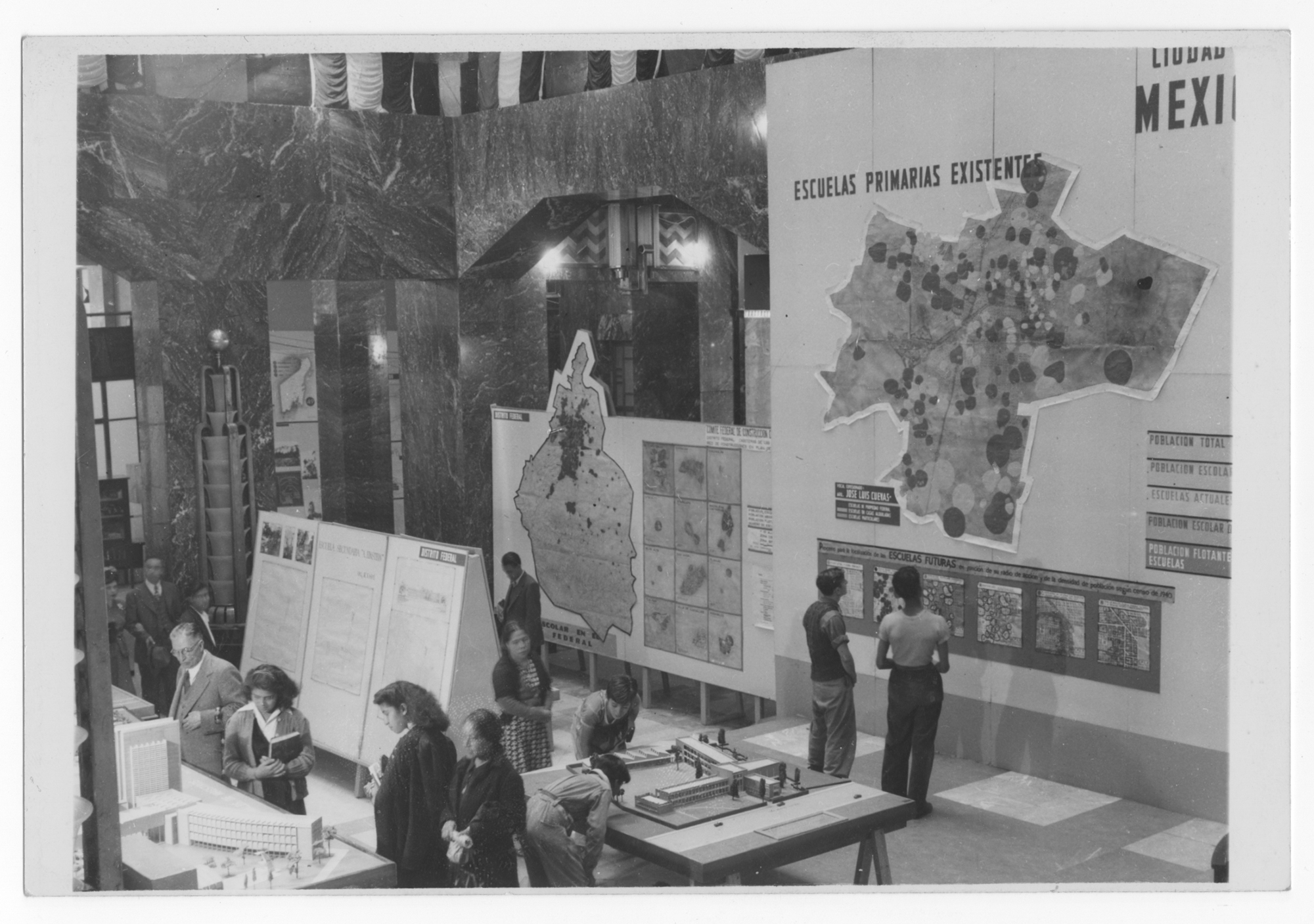
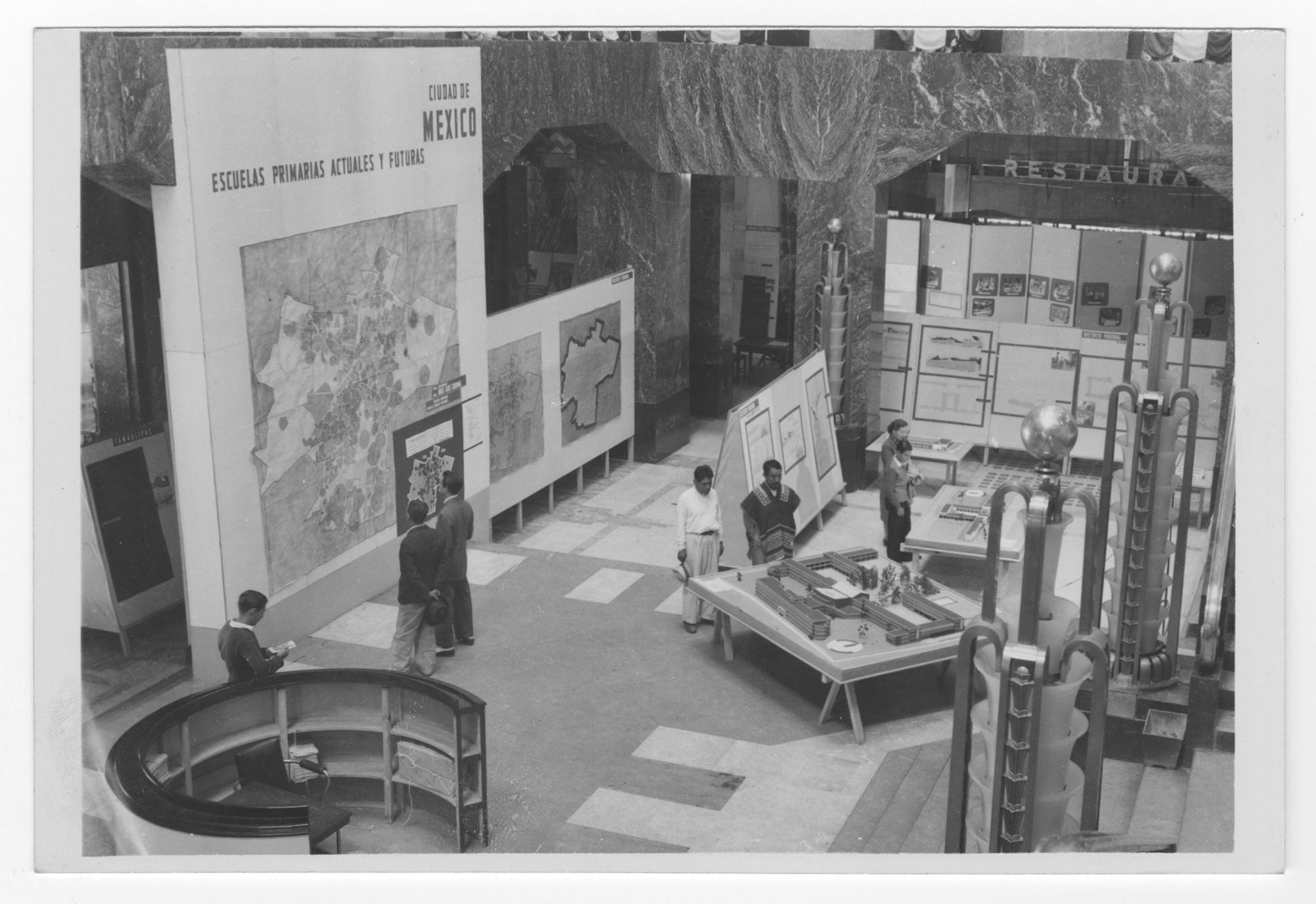
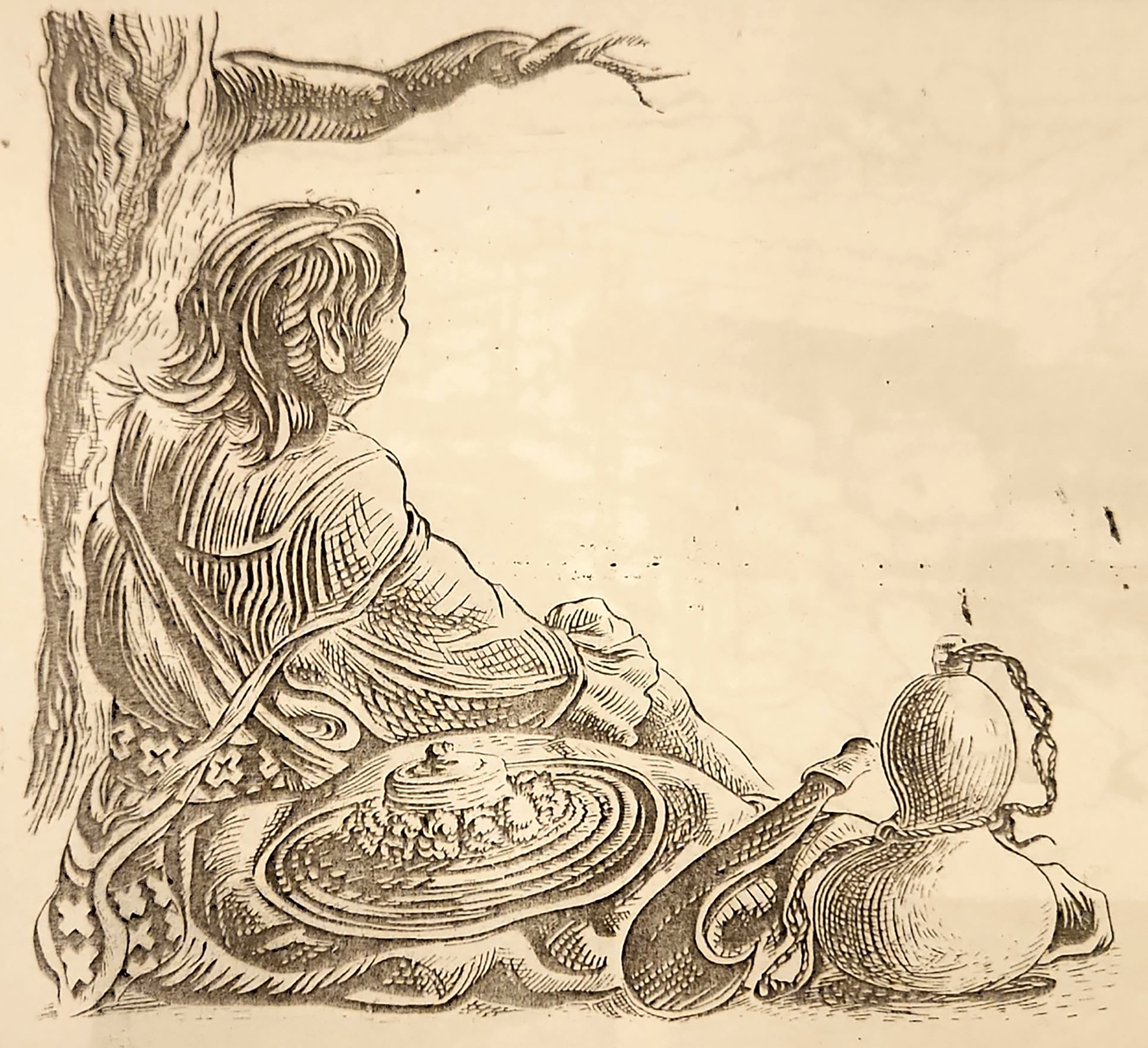
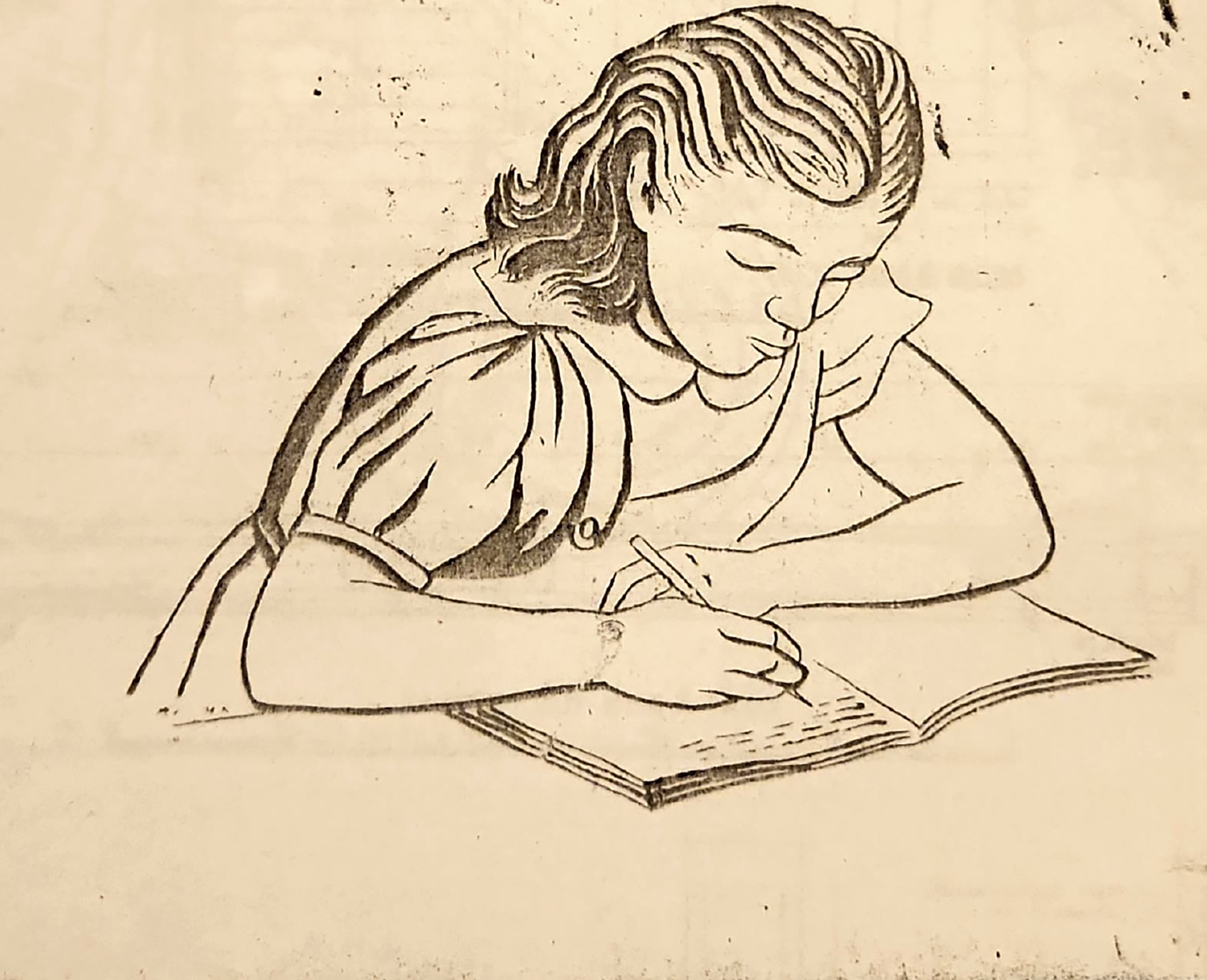
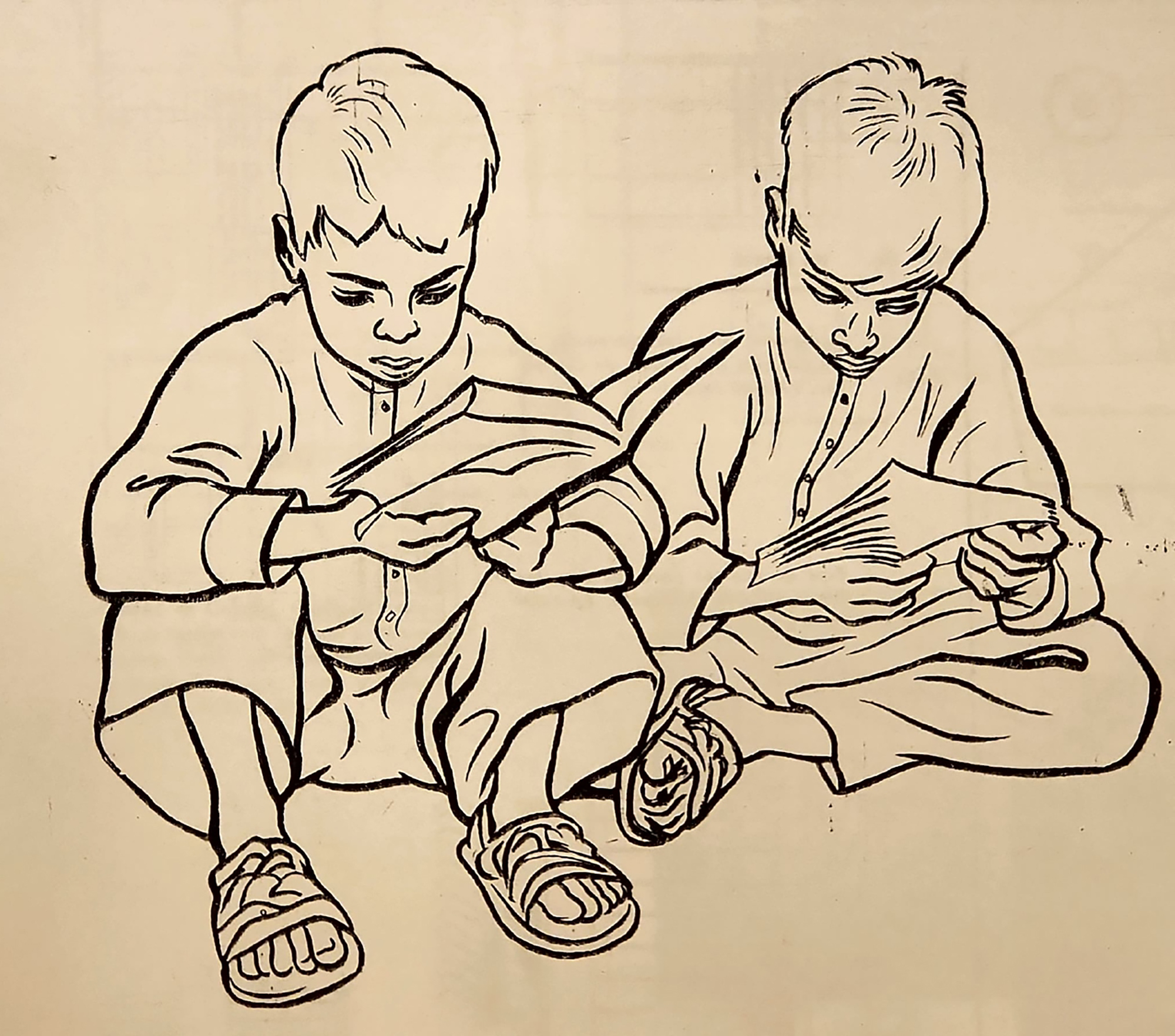
There was a time in Mexico when architecture and social art became pillars of the State’s actions to guarantee access to education and literacy. We go back to the 1940s, when architects and artists actively participated in policies oriented toward the common good and the desired national progress. Modernist architects and printmakers of the era captured Mexican reality in materials and graphics, and their practices shaped schools, educational programs, and literacy projects that sought to transform the country.

Through a review of archives, graphics, and publications, we will articulate a narrative about the implications that architecture and art can have on the configuration of a country and its citizens. An invitation to reflect—from the present—on how space and image have been tools of social construction.

>>

Dr. Viridiana Zavala Rivera
She completed her doctoral and master’s studies in the Postgraduate Program in Art History at UNAM. She is a professor at the Industrial Design Research Center at the National Autonomous University of Mexico and a member of the National System of Researchers (SNII). She is part of international study networks on Material Culture in Latin America, a member of the Object Kingdom Laboratory at CIDI, and the permanent university seminar Art + Science at UNAM. She has been the director of the design, fashion, and art collection MatterMatters, based in Mexico City since 2024.

She has also been a professor of Industrial Design History at the School of Architecture and Design for Latin America and the Caribbean in Panama since 2016, and has conducted research stays at institutions and universities in the US and Germany. She is an active researcher who has participated in various publications, books, colloquia, and conferences, as well as interdisciplinary projects with Latin American universities. Between 2015 and 2017, she was part of the curatorial team of the Museo Jumex in Mexico City. Between 2021 and 2024, she was Head of Documentation and Cultural Archive at Nouvel.

@viryzavalar

Arte Abierto continues with its new public program Derivas de Arte y Arquitectura (Art & Architecture Derives), which seeks to renew our gaze on the architectural legacy of Mexico City. From a series of talks focused on rescuing the parallel stories of emblematic architectural projects and public spaces that have witnessed the variable intersection between art and architecture. In this first stage, the program deals mainly with modern architecture, based on a series of talks given by invited curators, architects, artists and urban planners.

With this program, ways of returning to architecture part of its public, experiential, collective character and close to those of us who inhabit the city are tested, recognizing in it its condition as a living archive. From these talks, circumstances, contexts and anecdotes are revealed that have been part of his sensitive memory and that complement his material memory, a relationship that often escapes documentary narratives and academic accounts.

The objective of the Derives is to generate experiences of spatial rediscovery, which allow us to renew our gaze on the legacy of certain emblematic architectural and artistic works, as well as those that have been forgotten.

The derives will be carried out free of charge on the last Saturday of each month, at 1:00 p.m. with a limited capacity.

Arte Abierto Derives :

February 26: Tania Ragasol / Entorno urbano, cotidianidad y arte: La Torre de los Vientos by Gonzalo Fonseca

March 26 : David Miranda / Del Animal Herido y otros eventos escultóricos dentro de la arquitectura moderna

April 23: Gustavo Lipkau y Xavier Hierro / Integración plástica de los edificios del campus central de CU: sus murales

May 28: Marisol Argüelles / La casa-estudio Diego Rivera y Frida Kahlo. Del espacio doméstico a la dimensión de lo público

June 25: Luis Javier de la Torre/ La Ruta de la Amistad MÉXICO68… más allá de 1968

July 30: Aldo Solano/ Architecture for playing in 20th Century Mexico City.

August 27: Christian del Castillo/ Tracing the modern in the architecture of the Historic Center of Mexico City.

September 24: Juan José Kochen/ The Ideal of the Multifamily Apartment cComplex.

October 29: Tania Candiani/ Quantum Prelude. Sound activation by Tania Candiani.

March 25: Ana Garduño/ Cultural Geographies: The invention of museum circuits in 20th century Mexico City.

May 27: Rebeca Barquera/ The Plastic Integration Movement México: More than murals on buildings.

June 17: Julián Arroyo Cetto/ Max Cetto in the beginning of El Pedregal.

July 29: Peter Kriegel/ The eco-aesthetics of El Pedregal and constructive botany in the megacity of Mexico.

August 26: Arturo Rivera García y Roberto Bustamante Castrejón/ Jardines del Pedregal Legacy: Memory and Identity.

September 30: Tonatiuh Martínez/ The garden as an extension of nature.

October 21: Lorena Botello/ Clara Porset’s Design: Between Tradition and Modernity.

March 23: Alejandro Ochoa Vega y Francisco Haroldo Alfaro Salazar/ Cinemas in Mexico in the 20th Century: Distant Spaces in Memory.

April 20: Rodrigo Torres Ramos / Pictorial Functionalism: The proposal for plastic integration of Mario Pani and Carlos Mérida.

June 22: María Bustamante Harfush / Public work and collective housing by Abraham Zabludovsky.

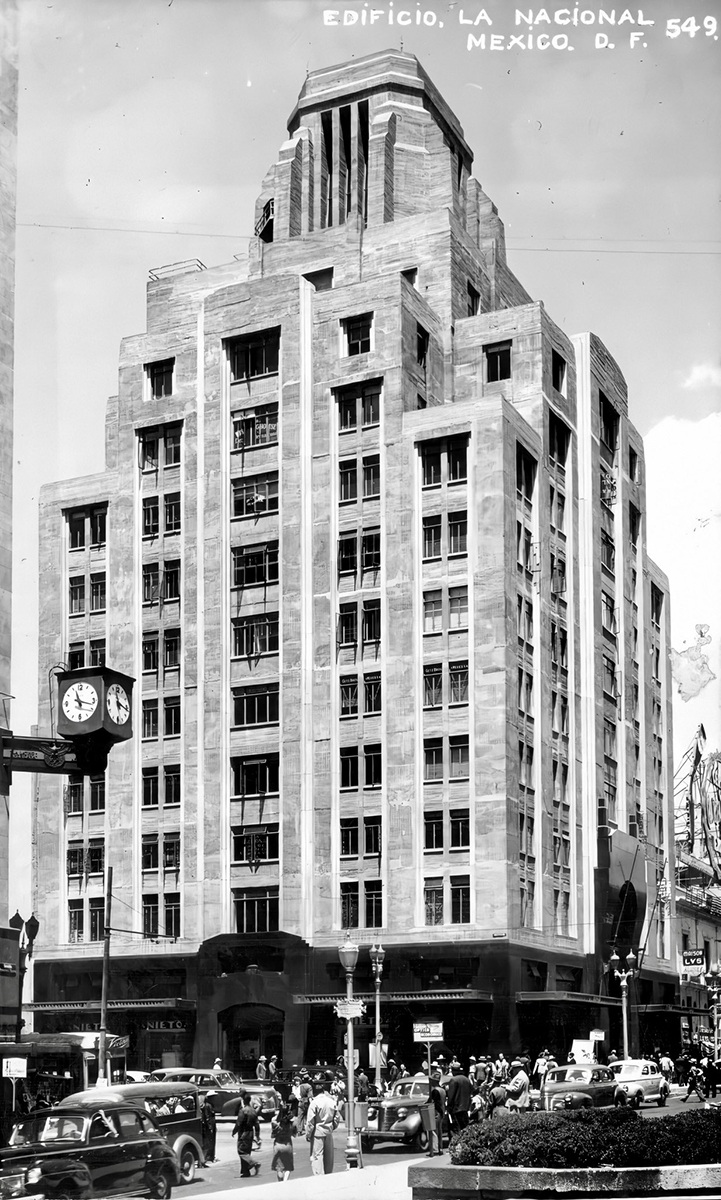
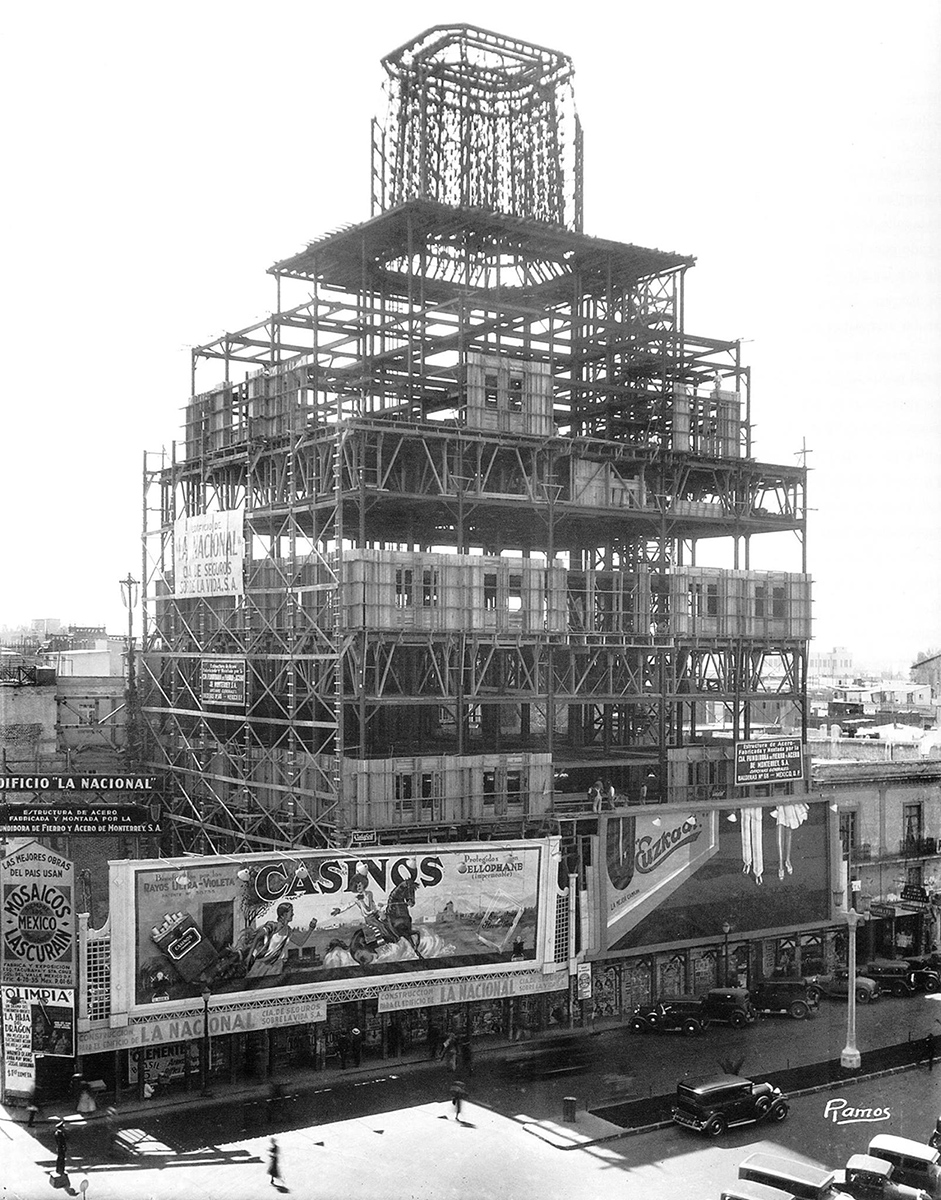
July 27: Veka Duncan / El Art Déco en México. La nacionalización de la modernidad.

August 31: Balam Bartolomé / Visiones del Altépetl caído: Un relato de Tlatelolco desde el arte.

October 19: José Ignacio Lanzagorta / The sixties and the christening of the Zona Rosa.

November 23: Eder Castillo & Arturo Ortiz Struck / GuggenSITO beyond the unfolding cube. Public art and interactivity.

March 29: Ximena Apisdorf / Architecture and museum: The transformation of the Centro Cultural Arte Contemporáneo

April 26: Lorena Botello / A Museum Designed for a Modern Art Collection

May 31: Carlos Rodríguez / Nonoalco in the Cinema, Shadow of Modernity

June 21: Erik Carranza / The cells that no longer explode: in search of an absent bust (that of JFK) and its relationship with GoSk8Day (June 21) in the Jardín Balbuena neighborhood

July 26: Rocío Martínez Barrera / Vladimir Kaspé: Architecture as a whole

August 23: Elisa Drago Quaglia / The Madman Pallares: A Futurist in Mexico

September 27: Uriel Vides Bautista / Vibrant and Provocative San Juan de Letrán

October 25: Viridiana Zavala Rivera / Designing the Modern Nation: Social Art and Architecture

Arquicinema: Mexico City through film

4 talks · 4 movies · 4 expert voices

Arte Abierto, in collaboration with FundarqMx, presents a new edition of Arquicinema, a meeting place for film and architecture, this time entitled “Mexico City through Film.”

Over four special sessions, this program offers interdisciplinary lectures that explore how architecture influences cinematic narrative and how, in turn, cinema becomes a tool for observing and understanding the urban, social, and landscape environment of Mexico City.

Through the analysis of selected scenes from key films—from Luis Buñuel’s classics to the contemporary vision of Alfonso Cuarón—specialists in architecture, urban history, and visual culture will invite us to reflect on how the city’s built spaces are also narrative, symbolic, and emotional spaces.

This series seeks to open an interdisciplinary dialogue and generate a space for exchange on the role of architecture in the cinematic representation of the city.

Arquicinema: Mexico City Through Film proposes looking at cinema through the lens of architecture and vice versa, as a way to explore the connections between built space, urban identity, and the narratives that define us.

>>

OCT.09+OCT.16+OCT.23+NOV.06.2025

5:00 PM
Free admission
Arte Abierto | 2nd floor, ARTZ

>>

PROGRAM

OCT.09.2025 – Architect María Bustamante Harfush
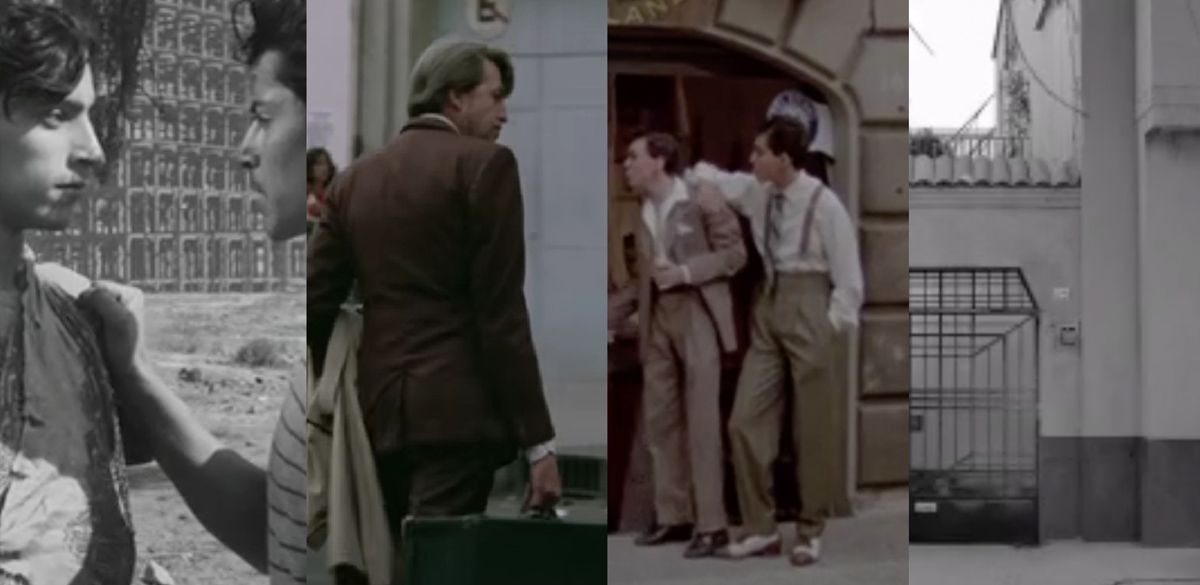
Los olvidados (Luis Buñuel, 1950)
A critical reading of invisible urban heritage and marginalized peripheries.

OCT.16.2025 – Architect Luis Andrés Palafox
El castillo de la pureza (Arturo Ripstein, 1973)
An architectural and emotional reading of confinement: the home as a symbolic prison and reflection of patriarchal power.

OCT.23.2025 – Arantza Briffault
Mariana, Mariana (Alberto Isaac, 1987)
The architecture of childhood, intimate memory, and everyday life in the city.

NOV.06.2025 – Rodrigo Hidalgo
Roma (Alfonso Cuarón, 2018)
The modern urban landscape as a testament to class, memory, and social transformation.

>>

FUNDARQMX (Fomento Universal para la Difusión Arquitectónica de México A.C.) is an organization dedicated for over a decade to disseminating the value of Mexican architecture and urban planning among diverse audiences through a variety of media, projects, and cultural activities. Its work has been recognized with the 2019 Medal of Arts awarded by the Congress of Mexico City for its outstanding work in support of national architecture.
Primarily integrated of young people committed to architectural culture, FUNDARQMX focuses on the dissemination, documentation, and conservation of architectural and urban heritage. Its activities include events, tours, exhibitions, talks, publications, and the use of digital tools to bring architectural knowledge to society in an accessible and rigorous manner.
www.fundarqmx.org
@fundarqmx

ART & ARCHITECTURE DERIVES

Vibrant and Provocative San Juan de Letrán

Uriel Vides Bautista

>>
Vibrant and Provocative San Juan de Letrán

Conversation with Uriel Vides Bautista

  • Saturday, September 27, 2025
  • 13:00h
  • At Arte Abierto | 2nd floor ARTZ
  • Free admission

>>
No registration required.

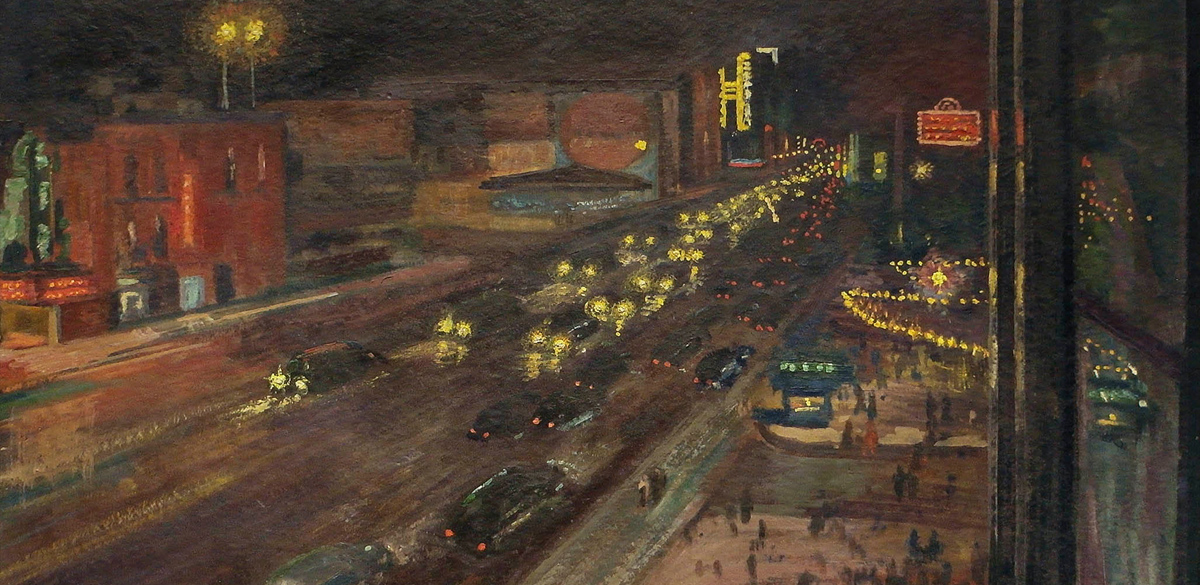
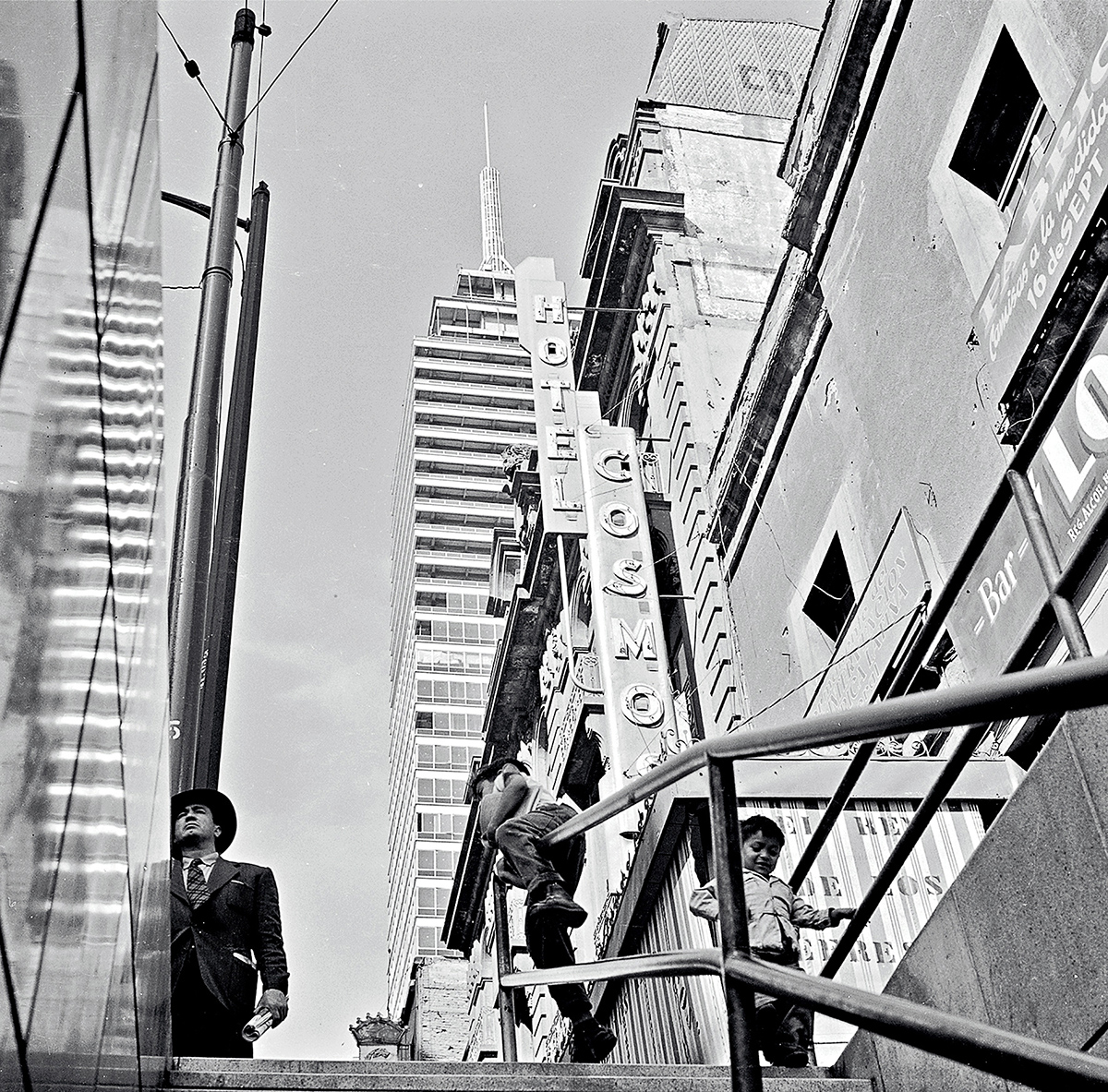
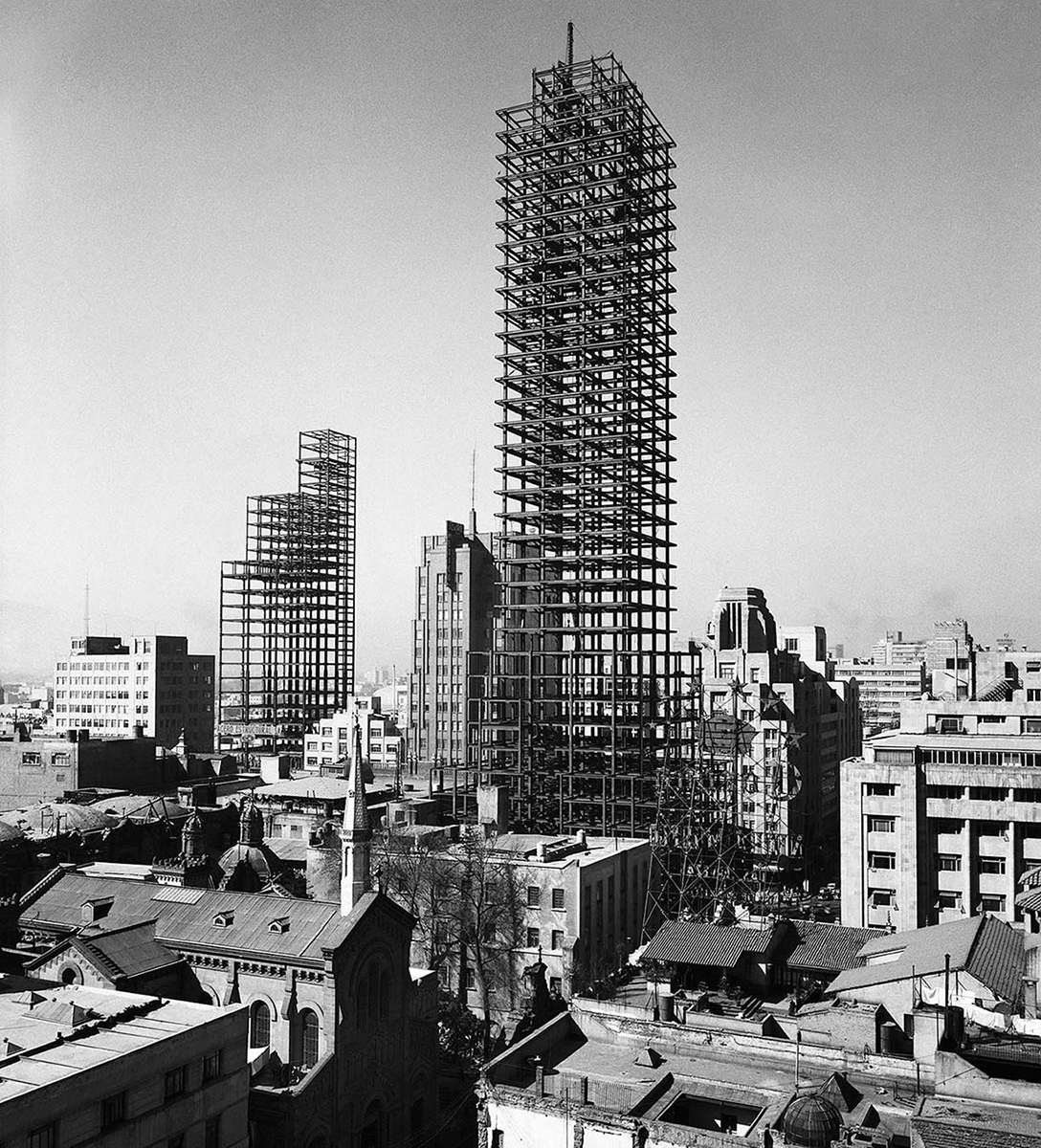
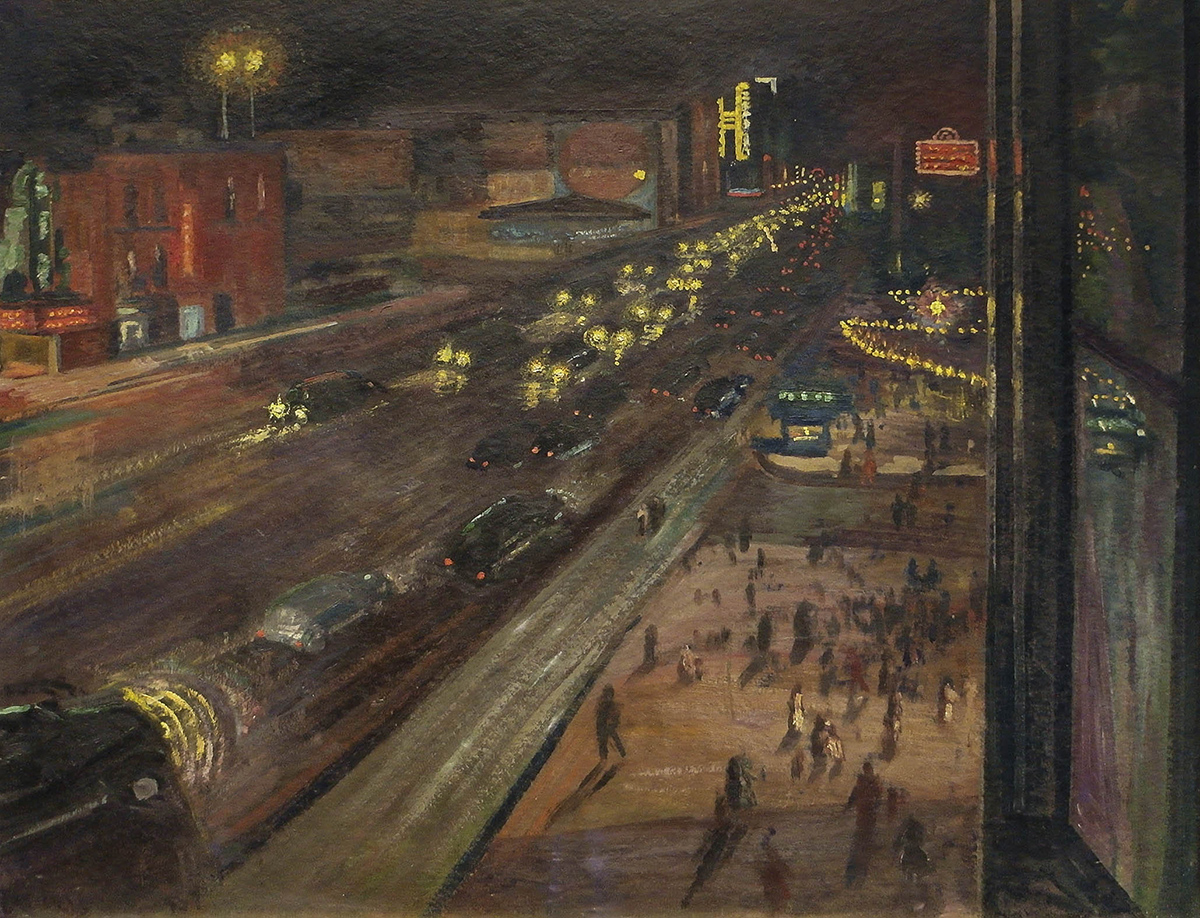
San Juan de Letrán—now known as Eje Central Lázaro Cárdenas—is one of the most iconic avenues in Mexico City. Inspired by New York’s Fifth Avenue, it housed skyscrapers, cinemas, theaters, and hotels that defined the economic and cultural life of the city center for most of the 20th century. However, beyond its urban and architectural significance, San Juan de Letrán was a subversive space where individuals and practices that deviated from the dominant social norms thrived.

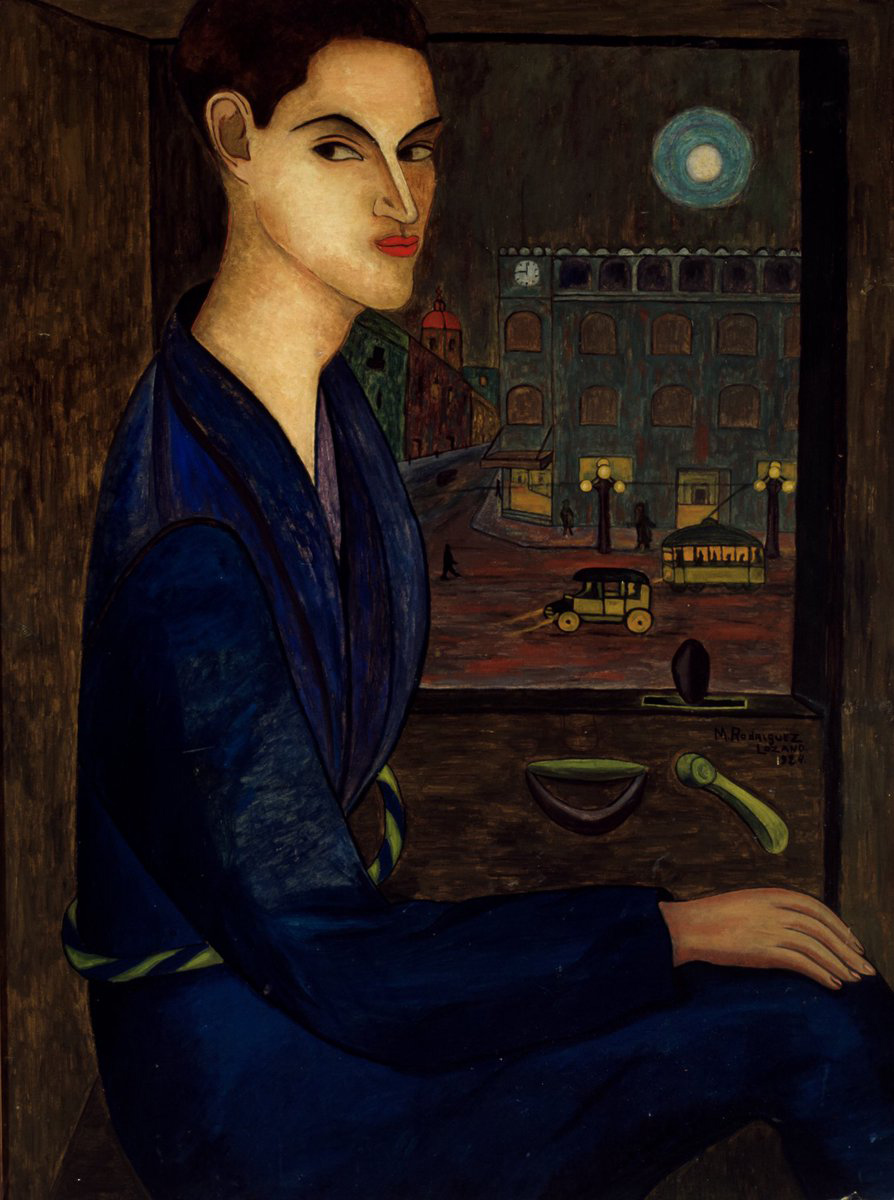
Through photographs, paintings, and various written sources, we will explore the dual history of this avenue: on one hand, as a prototype of post-revolutionary urban planning; and on the other, as a meeting place for LGBTQ+ individuals who found in its sidewalks, awnings, and movie theaters a space for socializing and expressing their desires. Beneath the visible veneer of progress, this presentation will reveal a dissident geography that reflected the tensions and contradictions of a city eager to be modern.

>>

Uriel Vides Bautista
Holds a BA and MA in Art History from UNAM. His research explores the intersections between art, public space, and sexual dissent in 20th-century Mexico. He worked as a researcher at the Palacio de Bellas Artes Museum (2019-2023), where he coordinated the mural collection and managed the donation of the first mural by a woman, Rina Lazo, to the museum. He has collaborated on curatorial and editorial projects with institutions such as the Tlatelolco Cultural Center and the Amparo Museum. He was the editor of La Bola, a magazine for popular history, and has published articles in magazines such as Artelogie, Bitácora Arquitectura, and Terremoto. In the academic sphere, she has taught courses on Mexican art at the History Department of FES Acatlán, and has also offered independent courses on art, memory, and sexual dissent. Currently, she focuses her professional practice on research, writing, teaching, and public outreach.

@c_o_y_o_t_x

Arte Abierto continues with its new public program Derivas de Arte y Arquitectura (Art & Architecture Derives), which seeks to renew our gaze on the architectural legacy of Mexico City. From a series of talks focused on rescuing the parallel stories of emblematic architectural projects and public spaces that have witnessed the variable intersection between art and architecture. In this first stage, the program deals mainly with modern architecture, based on a series of talks given by invited curators, architects, artists and urban planners.

With this program, ways of returning to architecture part of its public, experiential, collective character and close to those of us who inhabit the city are tested, recognizing in it its condition as a living archive. From these talks, circumstances, contexts and anecdotes are revealed that have been part of his sensitive memory and that complement his material memory, a relationship that often escapes documentary narratives and academic accounts.

The objective of the Derives is to generate experiences of spatial rediscovery, which allow us to renew our gaze on the legacy of certain emblematic architectural and artistic works, as well as those that have been forgotten.

The derives will be carried out free of charge on the last Saturday of each month, at 1:00 p.m. with a limited capacity.

Arte Abierto Derives :

February 26: Tania Ragasol / Entorno urbano, cotidianidad y arte: La Torre de los Vientos by Gonzalo Fonseca

March 26 : David Miranda / Del Animal Herido y otros eventos escultóricos dentro de la arquitectura moderna

April 23: Gustavo Lipkau y Xavier Hierro / Integración plástica de los edificios del campus central de CU: sus murales

May 28: Marisol Argüelles / La casa-estudio Diego Rivera y Frida Kahlo. Del espacio doméstico a la dimensión de lo público

June 25: Luis Javier de la Torre/ La Ruta de la Amistad MÉXICO68… más allá de 1968

July 30: Aldo Solano/ Architecture for playing in 20th Century Mexico City.

August 27: Christian del Castillo/ Tracing the modern in the architecture of the Historic Center of Mexico City.

September 24: Juan José Kochen/ The Ideal of the Multifamily Apartment cComplex.

October 29: Tania Candiani/ Quantum Prelude. Sound activation by Tania Candiani.

March 25: Ana Garduño/ Cultural Geographies: The invention of museum circuits in 20th century Mexico City.

May 27: Rebeca Barquera/ The Plastic Integration Movement México: More than murals on buildings.

June 17: Julián Arroyo Cetto/ Max Cetto in the beginning of El Pedregal.

July 29: Peter Kriegel/ The eco-aesthetics of El Pedregal and constructive botany in the megacity of Mexico.

August 26: Arturo Rivera García y Roberto Bustamante Castrejón/ Jardines del Pedregal Legacy: Memory and Identity.

September 30: Tonatiuh Martínez/ The garden as an extension of nature.

October 21: Lorena Botello/ Clara Porset’s Design: Between Tradition and Modernity.

March 23: Alejandro Ochoa Vega y Francisco Haroldo Alfaro Salazar/ Cinemas in Mexico in the 20th Century: Distant Spaces in Memory.

April 20: Rodrigo Torres Ramos / Pictorial Functionalism: The proposal for plastic integration of Mario Pani and Carlos Mérida.

June 22: María Bustamante Harfush / Public work and collective housing by Abraham Zabludovsky.

July 27: Veka Duncan / El Art Déco en México. La nacionalización de la modernidad.

August 31: Balam Bartolomé / Visiones del Altépetl caído: Un relato de Tlatelolco desde el arte.

October 19: José Ignacio Lanzagorta / The sixties and the christening of the Zona Rosa.

November 23: Eder Castillo & Arturo Ortiz Struck / GuggenSITO beyond the unfolding cube. Public art and interactivity.

March 29: Ximena Apisdorf / Architecture and museum: The transformation of the Centro Cultural Arte Contemporáneo

April 26: Lorena Botello / A Museum Designed for a Modern Art Collection

May 31: Carlos Rodríguez / Nonoalco in the Cinema, Shadow of Modernity

June 21: Erik Carranza / The cells that no longer explode: in search of an absent bust (that of JFK) and its relationship with GoSk8Day (June 21) in the Jardín Balbuena neighborhood

July 26: Rocío Martínez Barrera / Vladimir Kaspé: Architecture as a whole

August 23: Elisa Drago Quaglia / The Madman Pallares: A Futurist in Mexico

September 27: Uriel Vides Bautista / Vibrant and Provocative San Juan de Letrán

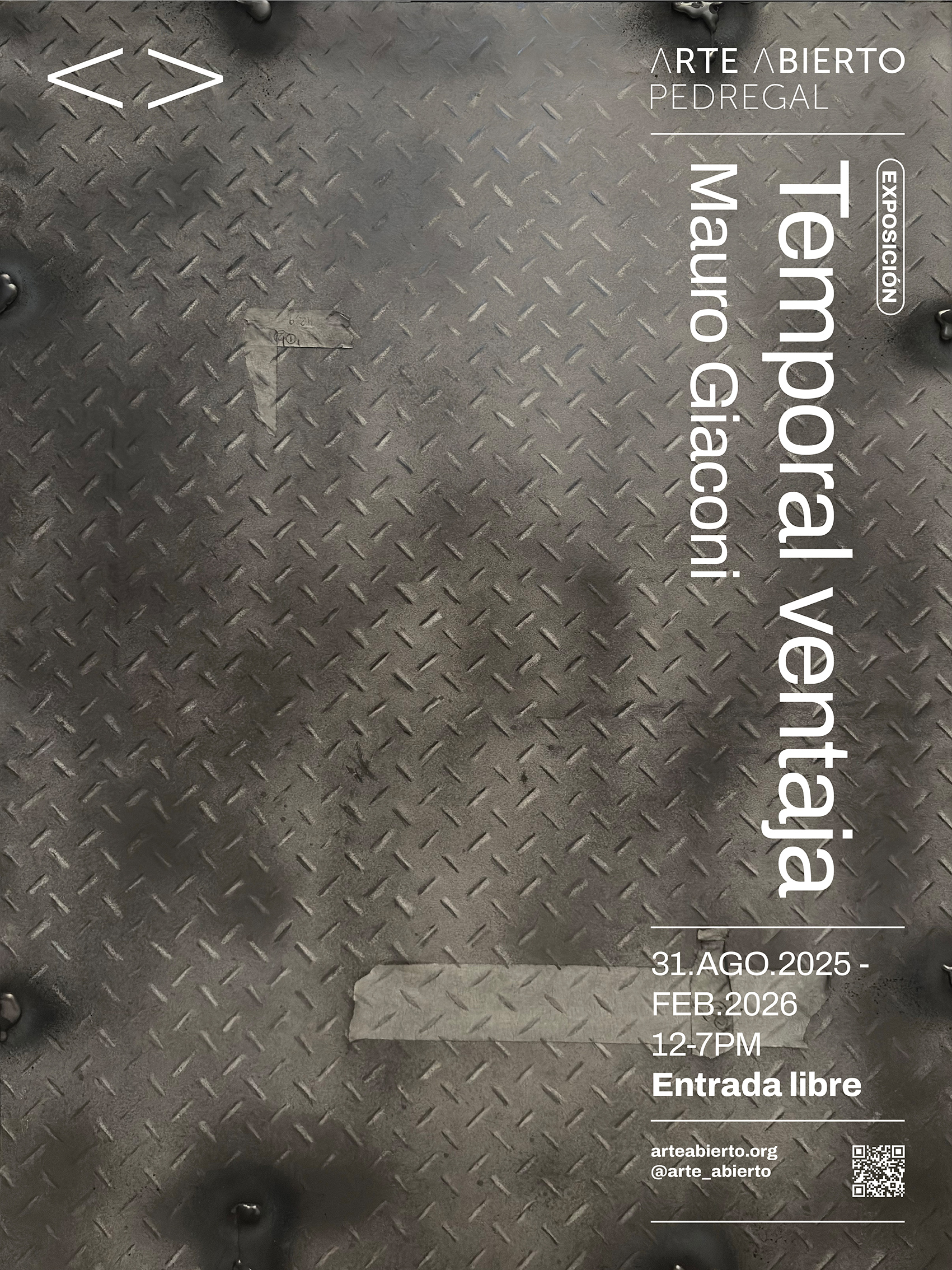
MAURO GIACONI

Temporal ventaja

   AUG.31.2025 – FEB.2026

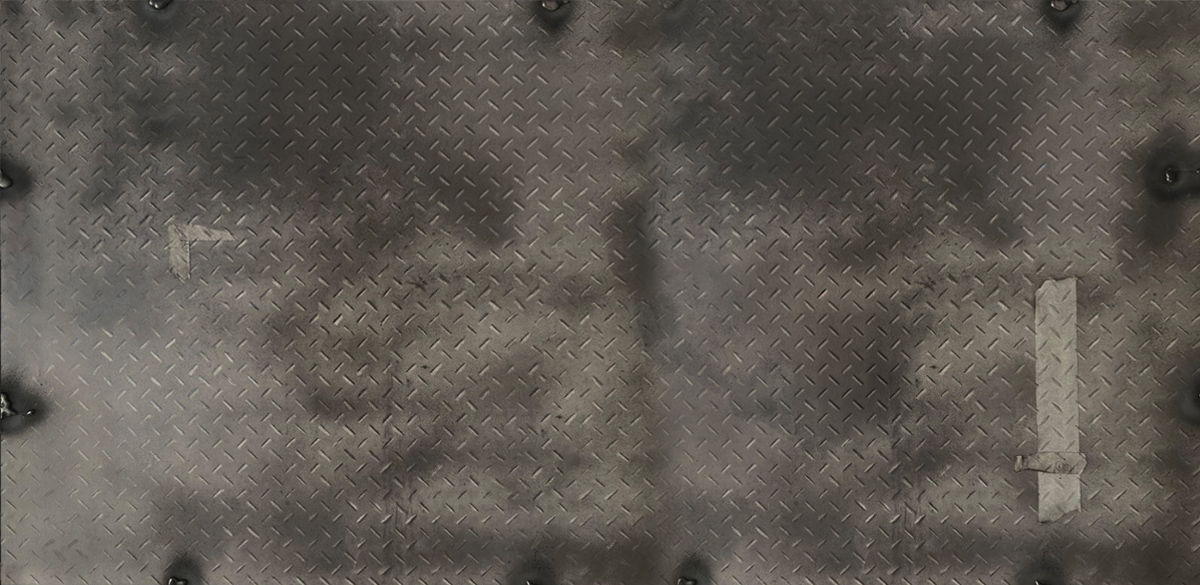
The installation Temporal ventaja (Temporary Advantage) by Mauro Giaconi, commissioned by Arte Abierto, transforms the space into a shipyard that welcomes us onto a large-scale ship, stranded in a shopping mall, in a waterless lake-adjacent city. How did a vessel of this scale end up here?

Temporal ventaja

A tale weaver and storyteller in his own right, Giaconi provokes and challenges our perception of reality and matter. He creates unique worlds and contexts using a powerful tool: graphite, combined with the strength of the collective.


Giaconi conceives drawing as a portable haven and containment space. Through this medium, he expands into other disciplines—such as sculpture and installation—exploring these constructions from the fragility of matter as a latent force. In this project, the ship stands as a vessel of stories and tools, a space of transit and protection posing the question: Is this a place of arrival or departure?


Temporal ventaja invites us to pause in suspended time where reality and fiction collide, to question accepted truths in a present time marked by uncertainty and lies. On this journey, that which is real weakens and constantly blurs, but Giaconi gives us the coordinates to “doubt everything” and go back to the origins of human knowledge and wisdom.


>>

Mauro Giaconi
Temporal ventaja
30.AUG.2025 –FEB.2025
TUE–SUN 12:00 – 7:00PM
Arte Abierto | 2nd floor ARTZ (Periférico Sur 3720, Mexico City)
Entrada libre

FISURA. International Experimental Film and Video Festival

5th Edition

A festival dedicated to independent audiovisual production and distribution, conceived as a space for freedom, creativity, and innovation.

From August 22nd to September 19th, Mexico City will host FISURA’s fifth edition, one of the most prominent experimental film festivals in Latin America. It will also feature special screenings in Durango, Oaxaca, and Acapulco.

With a daring and visionary program, the festival will showcase a curated selection of national and international works that challenge traditional narratives and expand the sensorial horizons of image and sound. This year, Fisura reinforces its interdisciplinary essence with performances, concerts, workshops, and talks, consolidating itself as a space that transgresses the boundaries of audiovisual art.

Among the most relevant retrospectives is Sound of a Million Insects, Light of a Thousand Stars, a posthumous tribute to Japanese filmmaker and artist Tomonari Nishikawa, a key figure in underground cinema in recent years. Also screening will be El eco del silencio, by South Korean artist Jangwook Lee, featuring short films made in 16mm film between 1998 and 2024. Both sections were curated by Estefanía Díaz and Carlos Cruz.

In co-production with Arte Abierto, FISURA will present audiovisual concerts by:

Hiroshi Watanabe A.K.A Kaito (Japan)• Maxime Corbeil-Perron A.K.A Datum Cut (Canada)
Maxime Corbeil-Perron A.K.A Datum Cut (Canada)
José Orozco + Valeria Vicente (Mexico)

Also, in collaboration with Museo del Estanquillo, the experimental sound ensembles Sonidito Amateur and Auroestridente (Mexico).

The performance section will feature:

Steven McInerney A.K.A Merkaba Macabre (Australia)
Jangwook Lee (South Korea)
Julio Rojas A.K.A Deadbug (Mexico)

These activities will take place at Centro de Cultura Digital and are free of charge.

ACADEMIC PROGRAM
The following workshops will be held at Casa Rafael Galván, UAM and Arte Abierto (both workshops are free with prior registration):

Philosophical Approaches to Experimental Film, led by Byron Davies (United States-Mexico) – Venue: Casa Rafael Galván, UAM
Composing with Light, a practical workshop led by Steven McInerney (Australia) – Venue: Arte Abierto

FISURA Official Venues in Mexico City:
AGO.22+SEP.19.2025

• Arte Abierto
• Centro de Cultura Digital
• Casa del Lago (UNAM)
• Museo del Estanquillo
• Casa de la Primera Imprenta (UAM)
• Casa Rafael Galván (UAM)

National tour:
SEP.17-29.2025

• Cineteca Municipal Silvestre Revueltas – Durango
• Demina Laboratorio de Artes – Acapulco, Guerrero
• Sala Elia – Oaxaca

THE COLLECTION CHRONICLES

POV VISITS OF A MUSEUM THAT ISN’T A MUSEUM

Visit + Workshop

When we think of a place where works of art are exhibited, the first thing that probably comes to mind is a museum. But have you ever thought that you can also find works of art inside a shopping mall?
We invite you to participate in this activity where, after a tour through Arte Abierto Collection works, you can share your POV (point of view) by creating a TikTok video.

To enjoy this activity, we recommend bringing your cell phone with the TikTok app pre-installed.

>> 

The Collection Chronicles: POV Visits of a Museum That Isn’t a Museum
Visit + Workshop

  • THU.AUG.21.2025
  • 4:00PM – 5:30PM
  • Open to the general public
  • Limited seating | Free admission
  • Amphitheater Arte Abierto

>>

PUBLIC PROGRAM

>>

The Collection Chronicles is a program that offers different ways to explore Arte Abierto’s permanent collection. Through various activities that invite the public to experiment and play with the works—regardless of their prior knowledge—participants will be able to inhabit spaces for dialogue where contemporary art is experienced in a close and collective way, open to multiple interpretations.
>>
Arte Abierto has a solid collection of works by highly relevant artists in the field of contemporary art on loan. Some of these installations and works were selected or commissioned from the very beginning of ARTZ, which was conceived as a small city where users can enjoy spaces for recreation, leisure, exercise, work, residential life, and art, all in one place. This fosters social cohesion and facilitates encounters between people through its spaces, creating bridges between everyday life, art, and contemporary culture.

The Collection Chronicles are held at Arte Abierto Pedregal and are free-of-charge.

THE COLLECTION CHRONICLES

MAGNETIC PROJECTION

Visit + Workshop

Contemporary art doesn’t follow rules or fixed interests. It isn’t governed by pre-established values; in fact, it unfolds in multiple directions, influenced by the context, experience, and thinking of each artist.

With this idea as a starting point, we invite families to explore some pieces from Arte Abierto Collection. During the visit, we will explore some concepts and processes that shape contemporary practices. At the end, each family will collaboratively create a conceptual portrait, freely combining techniques such as painting, drawing, pastels, collage, writing, or object appropriation.

>> 

The Collection Chronicles: Magnetic Projection
Visit + Workshop

  • THU.AUG.14.2025
  • 4:00PM – 5:30PM
  • Open to the general public
  • Limited seating | Free admission
  • Amphitheater Arte Abierto

>>

PUBLIC PROGRAM

>>

The Collection Chronicles is a program that offers different ways to explore Arte Abierto’s permanent collection. Through various activities that invite the public to experiment and play with the works—regardless of their prior knowledge—participants will be able to inhabit spaces for dialogue where contemporary art is experienced in a close and collective way, open to multiple interpretations.
>>
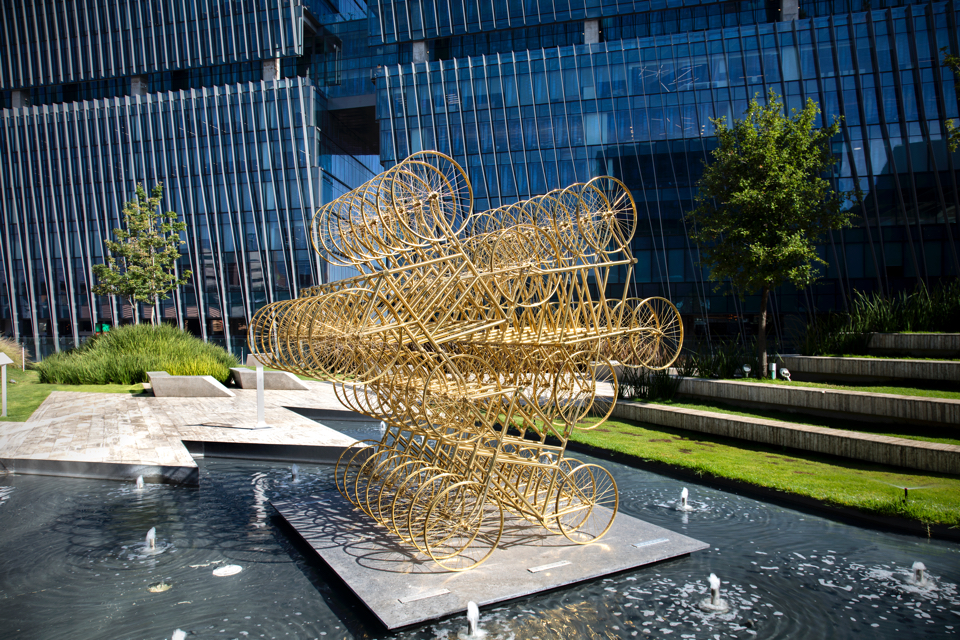
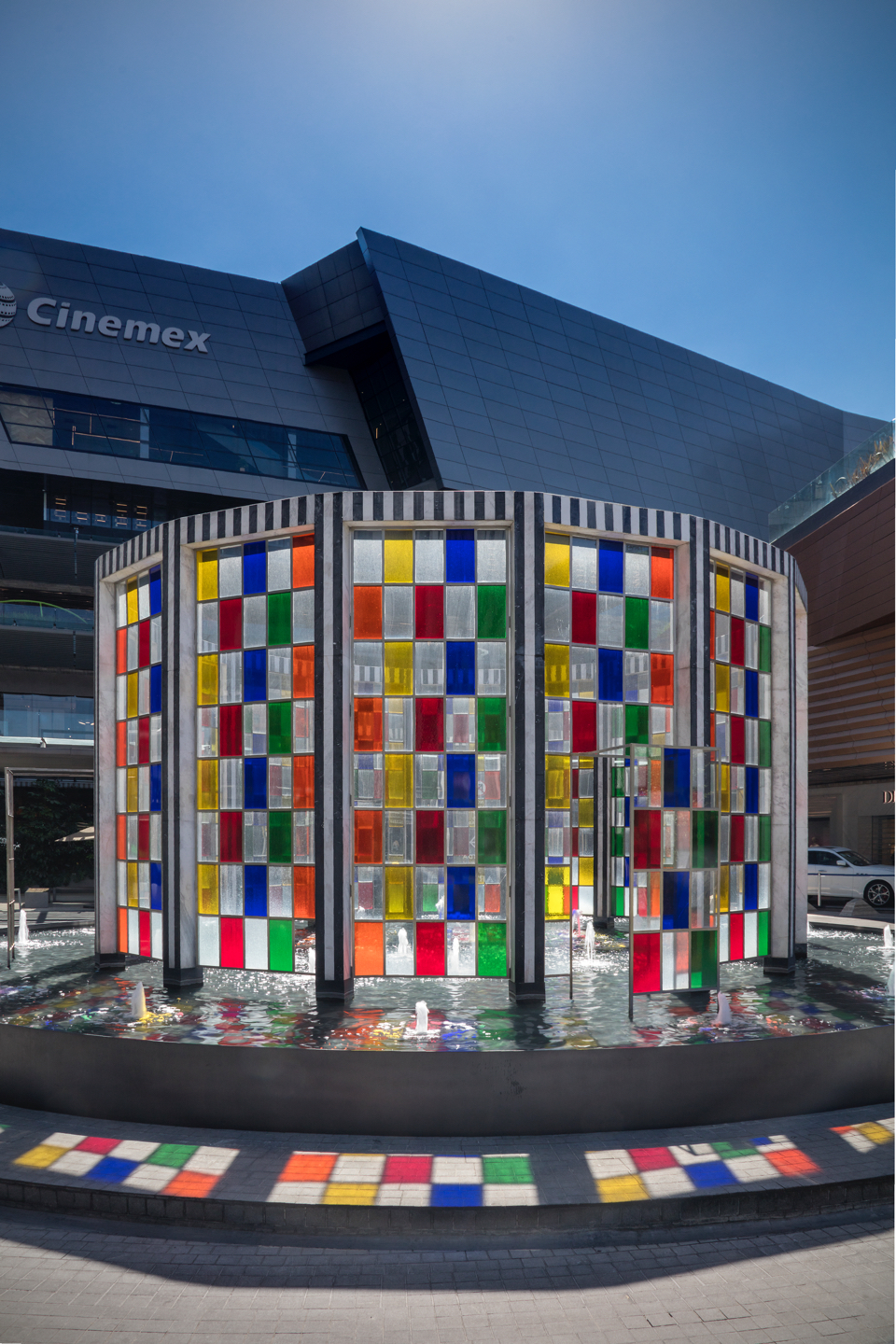
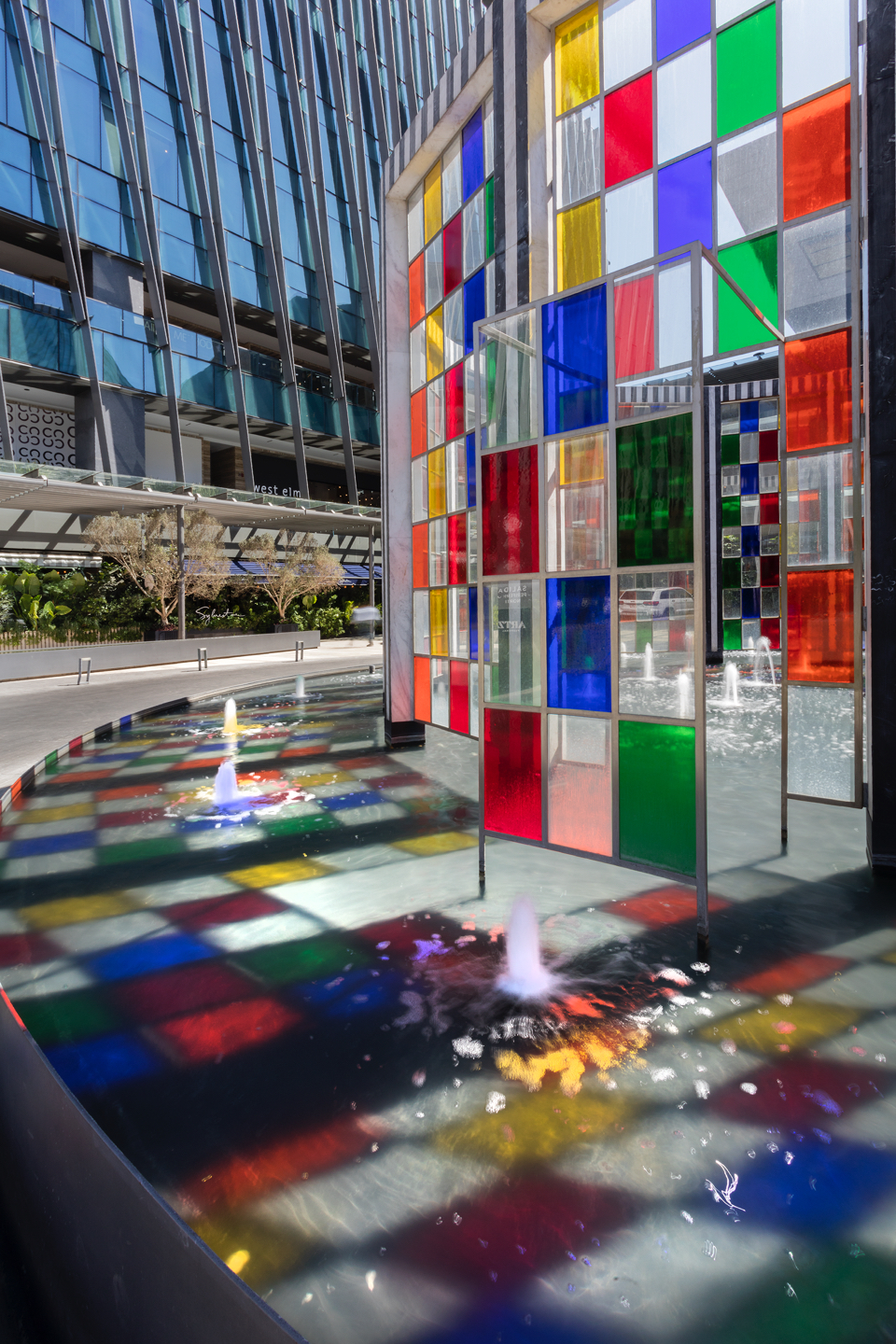
Arte Abierto has a solid collection of works by highly relevant artists in the field of contemporary art on loan. Some of these installations and works were selected or commissioned from the very beginning of ARTZ, which was conceived as a small city where users can enjoy spaces for recreation, leisure, exercise, work, residential life, and art, all in one place. This fosters social cohesion and facilitates encounters between people through its spaces, creating bridges between everyday life, art, and contemporary culture.

The Collection Chronicles are held at Arte Abierto Pedregal and are free-of-charge.